A new hum, growl, or grinding sound near a wheel can be easy to dismiss as tire noise. That is risky because a worn wheel bearing can become noisier as damage progresses and may contribute to wheel-end vibration or instability.
The best early clue is how the sound reacts to road speed and steering load. A bearing-related noise often follows wheel movement, but sound alone cannot prove which corner has failed. Some OEM cases show that bearing noise can exist without obvious looseness and can be difficult to pinpoint.
The right diagnosis combines a controlled road test, tire inspection, and physical bearing checks. This guide covers the sounds to watch for, common look-alikes, and the safest next steps.
What Does a Bad Wheel Bearing Sound Like: 5 Clues That Narrow It Down
A bad wheel bearing often creates a humming, rumbling, growling, grinding, or roaring noise as the wheel rotates. Timken also lists snapping, clicking, or popping among possible wheel hub bearing symptoms. The pattern matters as much as the sound itself, especially when light steering input changes its intensity.
| Sound | When you may hear it | Bearing clue | Common look-alike |
|---|---|---|---|
| Humming | Moderate to highway speeds | Becomes more noticeable as you drive | Cupped tire tread |
| Rumbling or growling | Steady cruising | Changes when wheel load shifts | Aggressive tire tread |
| Grinding | Moving or turning | Harsh mechanical sound | Brake contact |
| Snapping or popping | Tight turns | Can involve bearing endplay | Outer CV joint |
| Roaring or howling | Higher road speeds | Persistent wheel-area drone | Tire or drivetrain noise |
Why the sound follows road speed
Wheel bearings rotate with the wheels, so bearing-related noise often becomes more noticeable as vehicle speed changes. A mild hum around town may become a stronger drone, rumble, or growl at higher speeds.
That pattern helps separate wheel-end problems from some engine noises. Still, tires, brakes, CV components, and drivetrain parts can create similar speed-related sounds.
Do not treat one clue as proof. A structured process such as a step-by-step diagnostic flowchart can help prevent a quick guess from becoming an unnecessary repair.
How light turns change bearing noise
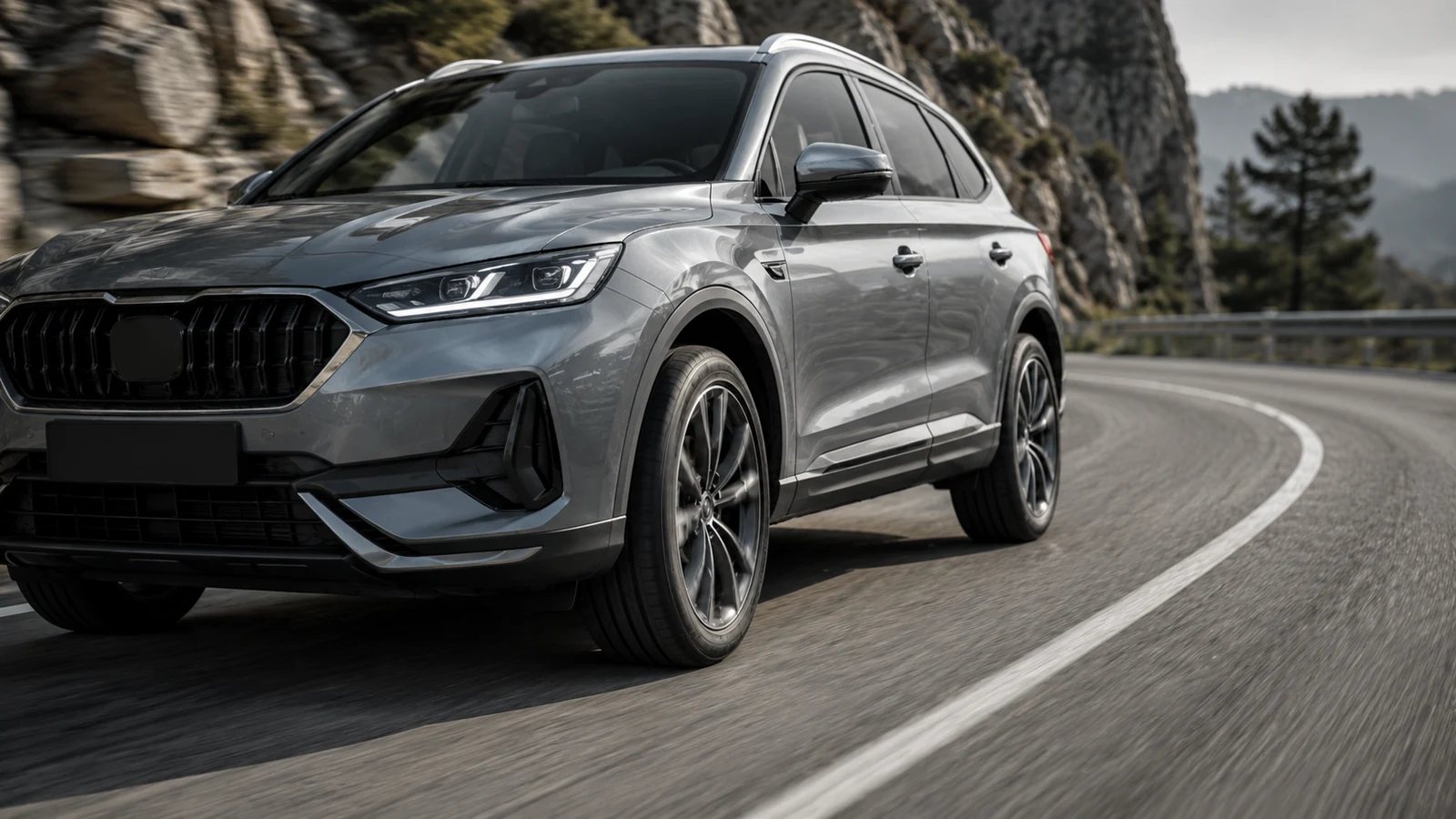
A failing bearing can change volume as vehicle weight shifts during a gentle turn. Timken notes that bearing-related humming, rumbling, or growling may intensify with slight steering input.
Use this clue only in a safe setting. Make small steering inputs on a clear road and keep the vehicle fully within its lane. Never weave aggressively to force the sound to change.
A load-sensitive change can narrow the diagnosis, but cabin acoustics and suspension structures can make the apparent source misleading. OEM service information documents cases in which bearing concerns were difficult to pinpoint, even when the noise itself was clear.
Wheel bearing noise vs tire noise
Tire noise is a major wheel-bearing look-alike. Timken specifically notes that humming, rumbling, and growling can also relate to tire or drivetrain conditions.
Start with the tread. Run a gloved hand across each tire in both directions. Look for scalloped high and low spots, feathering, damaged tread blocks, or wear that differs significantly from the opposite tire.
Then pay attention to road surfaces. A dramatic noise change between smooth asphalt and coarse pavement can strengthen the tire-noise case.
Replacing a bearing before checking the tires can leave the original noise untouched. That is the type of diagnosis problem covered in how wrong-part replacement happens.
Wheel bearing noise vs CV joint noise
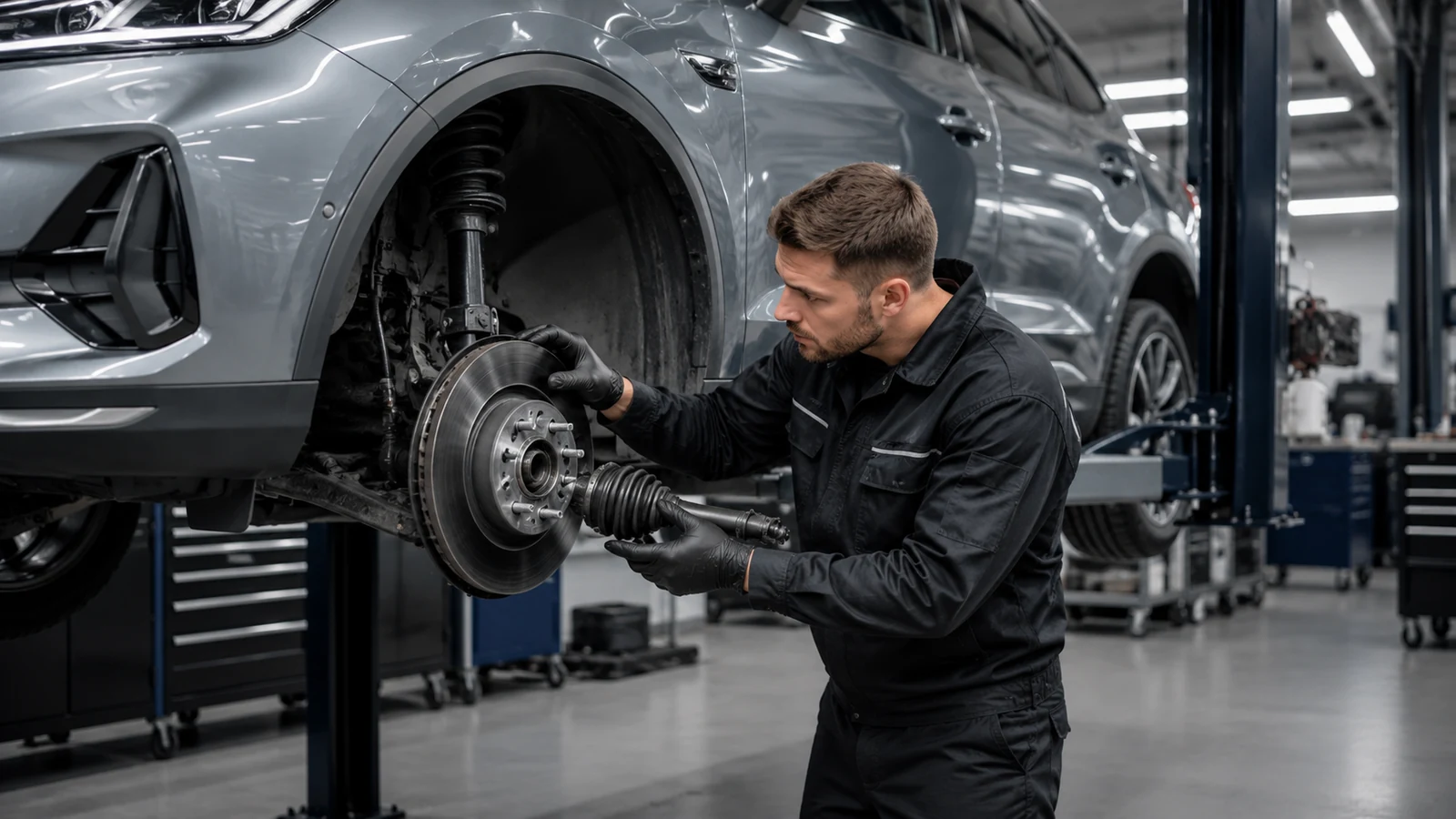
A clicking or popping sound during tight turns often puts the outer CV joint on the suspect list. Timken also notes that snapping, clicking, or popping can indicate excessive bearing endplay, so the noise needs context.
CV-joint noise often becomes obvious during tight turns, especially when power goes through the axle. A wheel bearing problem may also produce a steadier hum, rumble, or growl while driving straight.
Inspect the CV boot as well. A torn boot or grease around the wheel area strengthens the case for CV-joint damage.
If a steady drone continues outside tight turns, keep the wheel bearing, tire, and other rotating components in the diagnosis.
Why no wheel play does not clear it
Many drivers raise the wheel, shake it, feel no looseness, and assume the bearing must be healthy. That test can miss a noisy bearing.
A Kia technical service bulletin documented wheel bearings producing humming or popping even though the bearings normally had no looseness. The bulletin also noted that the noise could be difficult to pinpoint.
A hand test also occurs at very low rotational speed and without normal driving load. Treat the shake and spin checks as supporting evidence, not a final verdict.
If every wheel feels tight but a speed-related hum persists, continue the diagnosis instead of automatically clearing the bearings.
A safer diagnosis sequence
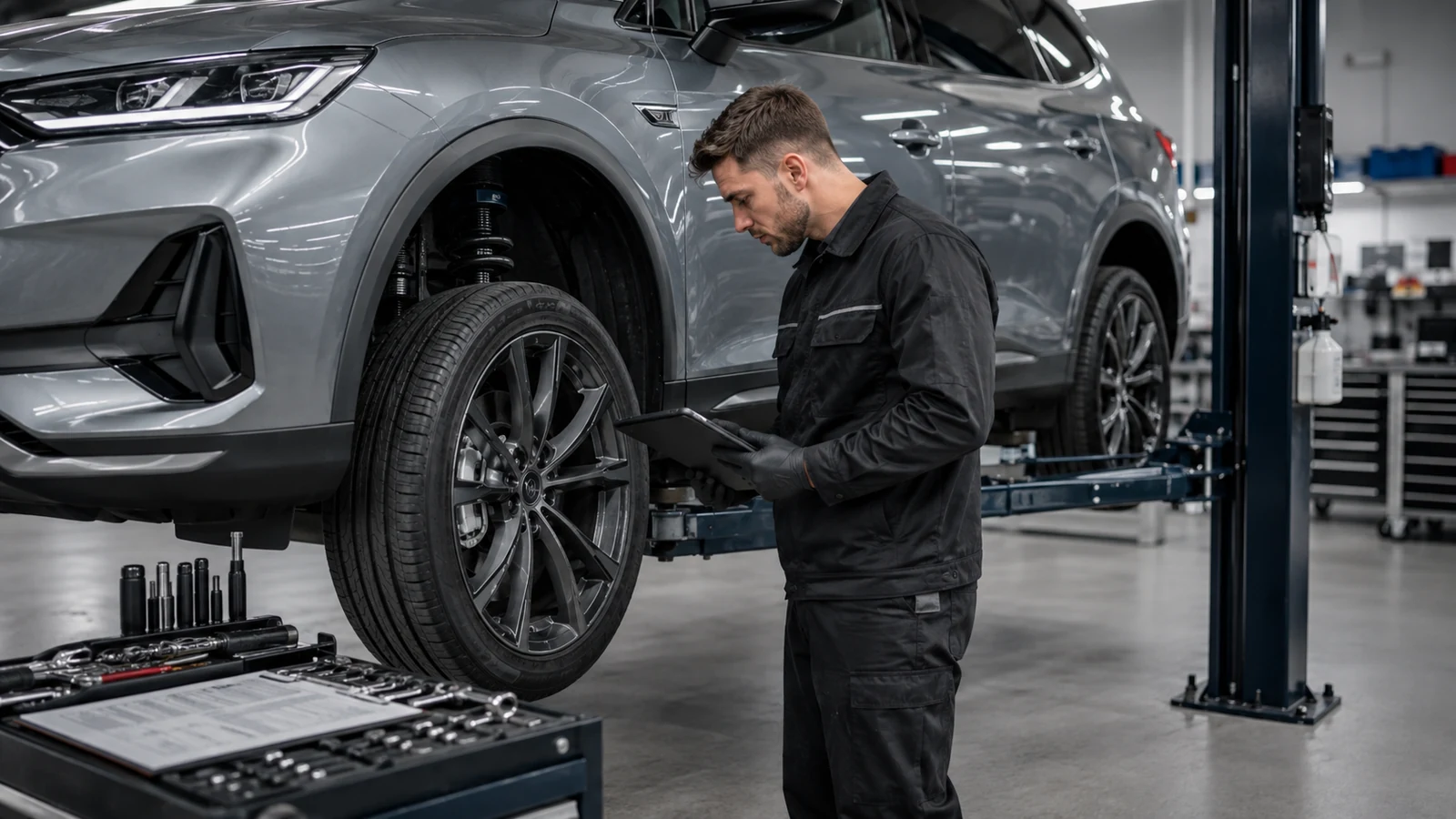
Start with a controlled road test. Record when the noise begins, when it becomes strongest, and what happens during gentle steering input. Timken’s technical resources specifically include wheel-noise and hub-bearing diagnostic procedures because several wheel-end conditions can sound similar.
Next, inspect the tires and brakes. Look for uneven tread, embedded objects, loose shields, brake dust shields touching the rotor, or obvious signs of brake drag.
Then raise the vehicle at its manufacturer-approved lifting points and use proper support equipment. Check each wheel for abnormal play and rotate it by hand. Compare sides rather than judging one corner alone.
If the hub incorporates an ABS wheel-speed sensor and the vehicle also has an ABS or traction-control warning, follow vehicle-specific electrical testing. General sensor testing procedures can help establish an orderly process, but specifications must match the exact vehicle.
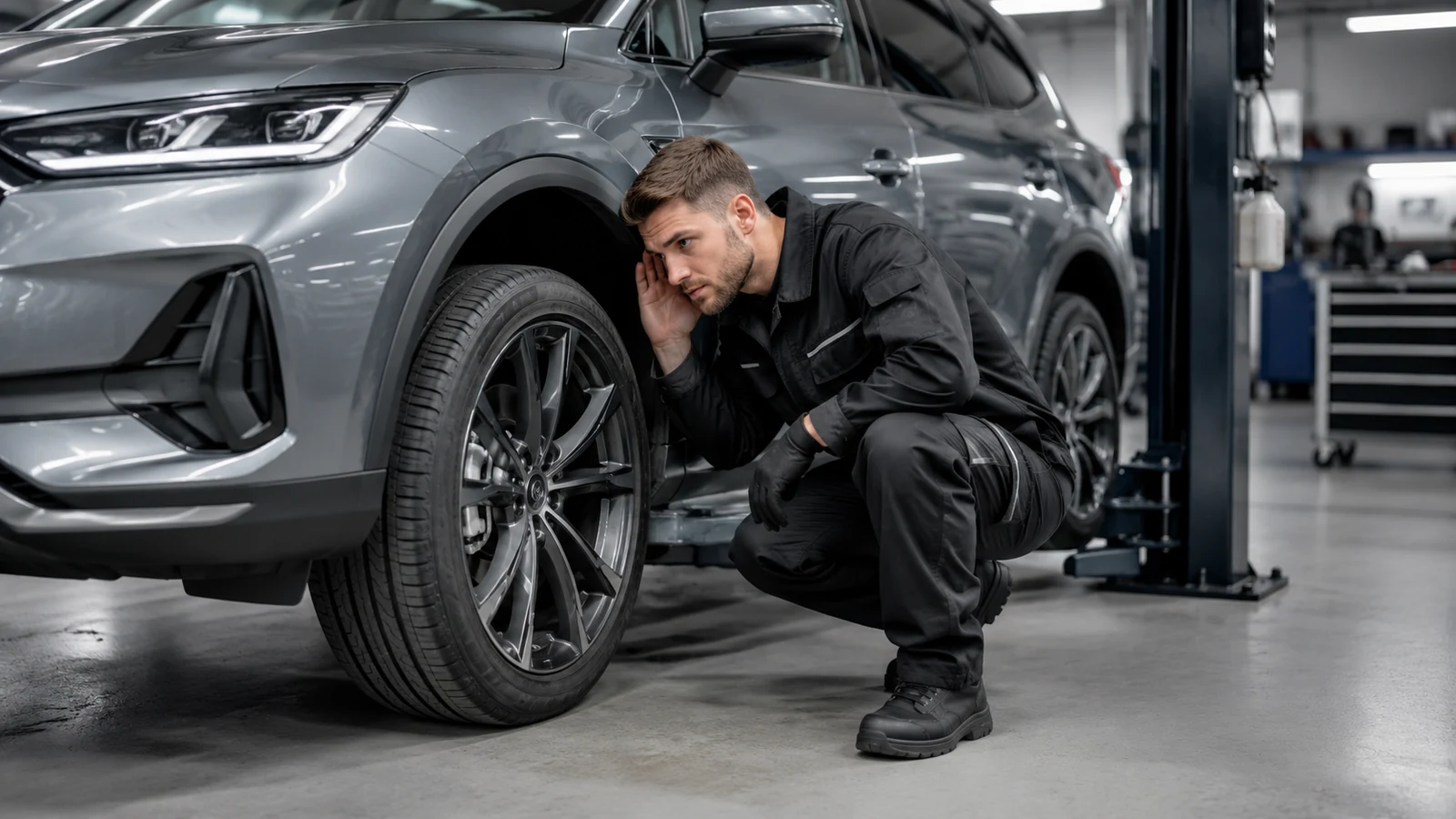
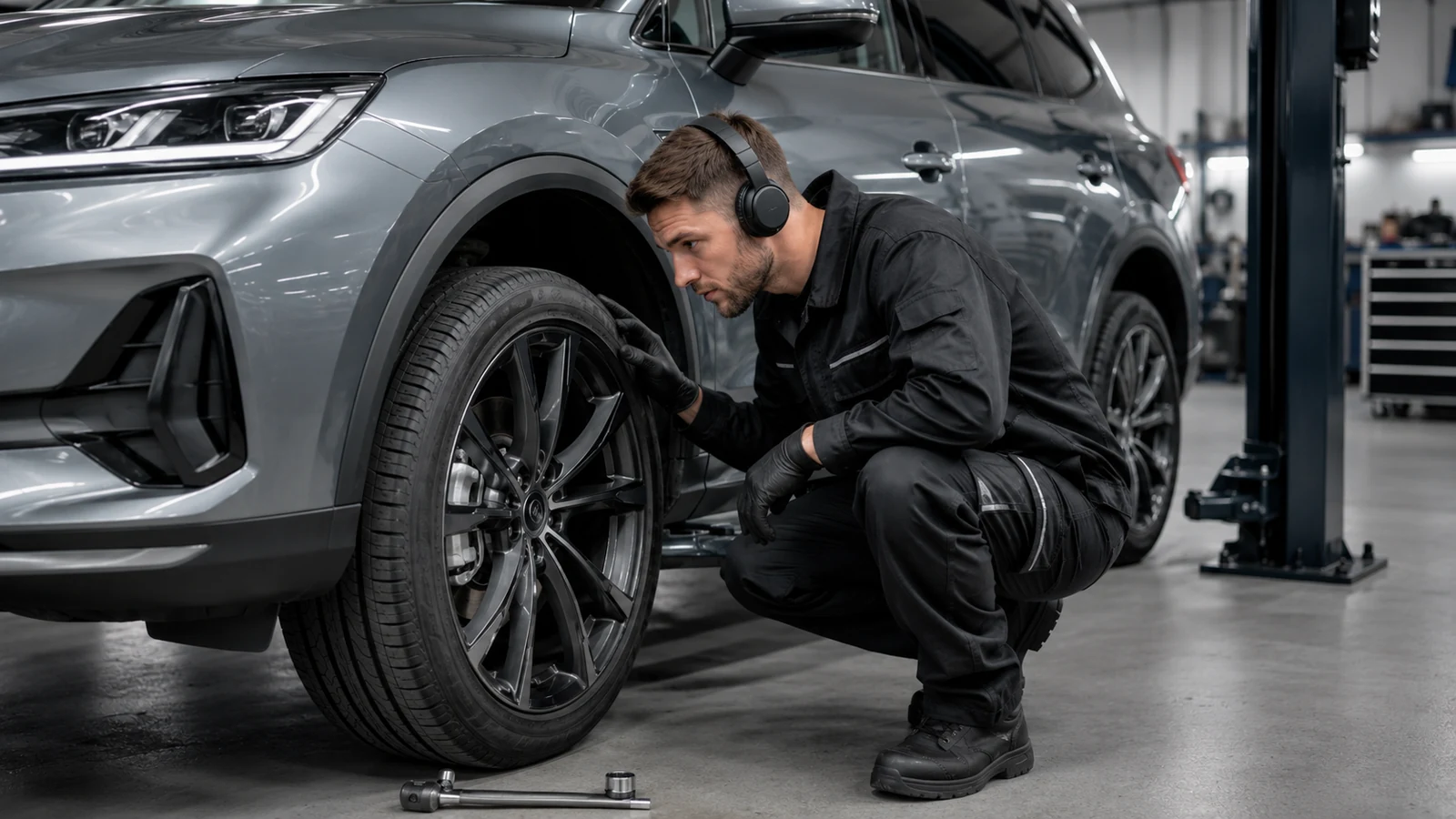
For difficult noises, a technician can compare wheel ends with professional listening equipment. That can prevent an expensive parts guess.
When the noise means stop driving
A new, mild hum deserves diagnosis before it becomes worse. A grinding sound, obvious wobble, severe vibration, or rapidly worsening wheel-area noise deserves much greater caution.
Timken associates grinding with mechanical wheel-end damage and notes that wheel vibration or wobble can indicate a damaged bearing or hub when that assembly is the source.
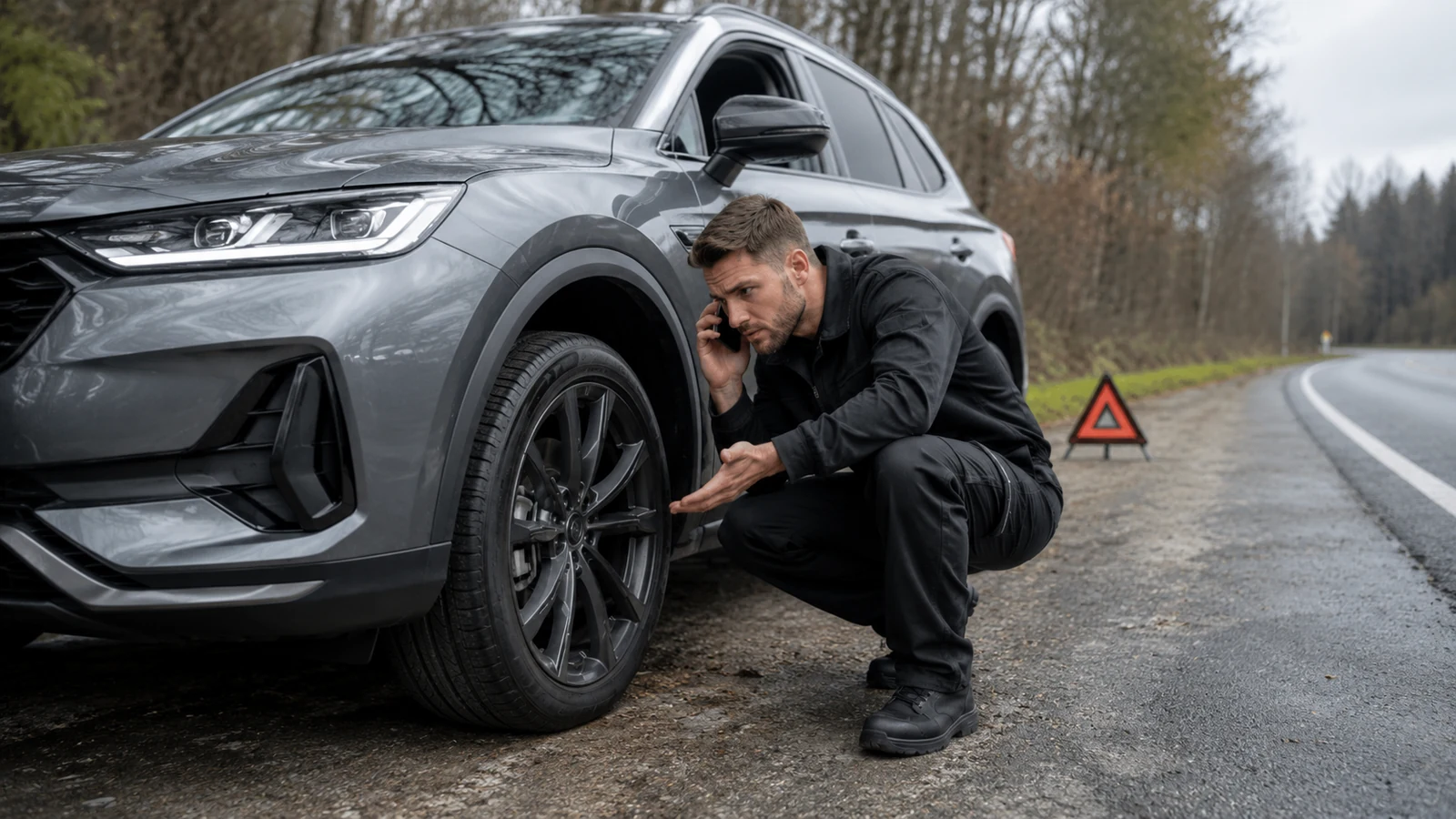
If the vehicle feels unstable, do not continue driving simply to test how the symptom develops. Arrange an inspection. Consider towing the vehicle if steering, braking, wheel stability, or severe grinding makes normal driving unsafe.
A major change in braking behavior also needs immediate attention because brakes and wheel-end problems can produce overlapping symptoms.
What to verify before replacement
Once the faulty bearing and location are confirmed, use the exact procedure for that vehicle. Hub designs, axle-nut requirements, fastener rules, torque values, and sensor arrangements can differ between applications.
Do not borrow a torque value from a similar model. A Stellantis technical service bulletin linked front wheel-area humming, clunking, vibration, and turn-related noise to improperly torqued wheel-bearing-to-knuckle bolts.
Before removing parts, review the repair procedure from beginning to end and verify the required torque sequence. The guide to common factory repair manual mistakes is useful here because a correct diagnosis can still become a repeat repair if you ignore installation specifications.
The sound is the starting clue, not the final diagnosis. If the noise follows road speed, reacts to steering load, survives a tire and brake inspection, and matches further wheel-end testing, the bearing becomes a strong suspect. Confirm the correct corner before ordering parts, then follow the exact repair procedure for that vehicle.
Commonly Asked Questions About the Bad Wheel Bearing Sound
Can a bad wheel bearing make a helicopter-like sound?
Yes. A rhythmic wheel-area noise may be described as a helicopter, propeller, or repeating pulse, although those descriptions alone cannot identify the failed component.
Timken lists humming, rumbling, growling, grinding, and some clicking or popping as wheel-bearing symptoms, while also noting overlap with tire and drivetrain problems.
Before blaming the bearing, inspect the tires for cupping, tread damage, or uneven wear. Also check the brakes for contact. If the sound changes with road speed and reacts to gentle steering load, the bearing deserves closer inspection.
A lift inspection or professional listening equipment can then help confirm the source before replacing parts.
Can a new wheel bearing still make noise?
Yes. Noise can remain after bearing replacement when the original diagnosis targeted the wrong component, another wheel end is noisy, or installation created a new problem. Tire and drivetrain noise can also imitate bearing noise.
Timken identifies several non-bearing conditions that can produce similar symptoms. Installation details matter too. An OEM Stellantis bulletin linked humming, clunking, vibration, and turn-related noise to improperly torqued bearing-to-knuckle bolts.
If the sound remains unchanged after replacement, recheck the tires, brakes, other bearings, and drivetrain. Then verify axle-nut and hub fastener procedures against the correct factory information rather than assuming the replacement bearing itself is defective.
Why can bearing noise seem to come from the wrong side?
Noise can travel through the suspension, body structure, and cabin, making a wheel-end problem sound as though it comes from another corner. OEM service information documents wheel bearing noise that can be difficult to pinpoint, even when the bearing shows no obvious looseness.
That is why choosing a bearing only because it sounds loudest from the driver’s seat can lead to unnecessary replacement. Combine several clues instead. Compare both tires, observe how the sound reacts to gentle steering load, check each wheel for roughness or play, and inspect other rotating components.
For difficult cases, professional listening equipment can compare individual wheel ends more accurately during controlled diagnosis.
Can braking change a bad wheel bearing sound?
It can, but a change during braking does not automatically confirm a wheel bearing problem. Braking changes forces at the wheel end, while pads, rotors, calipers, dust shields, and parking-brake hardware can also cause rubbing, scraping, or grinding sounds.
GM service information has documented a rear hub-related rub, scuff, or squeak in which light brake application could affect the noise level. If pressing the brake pedal changes the sound, inspect the brake system before ordering a bearing.
Check for shield contact, rotor damage, uneven pad wear, or a dragging caliper. If you rule out brake problems and the noise also reacts to road speed and wheel loading, keep testing the hub and bearing.
Can a wheel bearing click or pop instead of hum?
Yes. Humming and growling are common clues, but a wheel bearing can also snap, click, or pop in some failure conditions. Timken notes that these sounds may indicate excessive bearing endplay, but also warns that a worn outer CV joint can create similar noise.
That overlap makes driving conditions important. Repeated clicking during tight turns under acceleration often points to the CV joint. A bearing problem may also produce a steadier hum, rumble, roughness, or load-sensitive noise during straight driving.
Inspect both systems before replacing parts. If the source remains unclear, compare both wheel ends and follow the vehicle’s exact diagnostic procedure.