A complete car paint job can cost anywhere from about $500 for a basic budget repaint to $15,000 or more for a high-end restoration or custom finish.
That wide range exists because you are not paying only for paint.
The final bill also covers surface preparation, dent and rust repair, sanding, primer, masking or trim removal, paint materials, clear coat, booth time, finishing work, and reassembly.
For many vehicles, the body’s condition before painting affects the price more than the amount of paint used.
If you’re deciding how much to spend, start by determining whether your car needs a simple cosmetic refresh, a standard professional repaint, localized panel repair, or a full restoration-quality finish.
Car Paint Job Cost at a Glance
Here is a useful starting point for comparing common paint-job levels.
| Paint Service | Typical Price Range | What You Usually Get | Best For |
|---|---|---|---|
| Basic repaint | $500-$1,500 | Single-stage paint, limited preparation, extensive masking | Older daily drivers, work vehicles, cosmetic refreshes |
| Standard professional repaint | $1,500-$4,000 | Base coat, clear coat, improved prep and finishing | Daily drivers and vehicles worth preserving |
| Showroom or restoration finish | $5,000-$15,000+ | Extensive body preparation, multi-stage paint, trim removal, multiple clear coats | Classics, luxury cars, restorations and show vehicles |
| Localized panel or spot repair | $150-$800+ | Repair and color blending in a limited area | Scratches, bumper damage, individual panels |
Prices vary by location, vehicle size, paint system, body condition, labor rate, and the requested quality level.
A color change can also cost substantially more than repainting the vehicle in its existing factory color.
Why Car Painting Costs So Much
Spraying the final color is only one stage of a professional paint job.
Much of the labor happens before the vehicle enters the spray booth.
A proper repaint may involve:
- Washing and degreasing the body.
- Removing wax, silicone, and road contamination.
- Repairing dents.
- Removing surface rust.
- Sanding damaged clear coat.
- Feathering scratches and stone chips.
- Applying body filler where necessary.
- Applying and sanding primer.
- Removing or masking exterior trim.
- Preparing bumper covers and plastic parts.
- Applying base coat.
- Applying clear coat.
- Wet sanding or polishing the finished surface.
- Reassembling removed components.
On labor-intensive jobs, preparation can account for a large majority of the total bill.
That is why two shops can quote very different prices for what initially sounds like the same “full repaint.”
What Determines the Final Paint Estimate?
Existing Paint and Body Condition
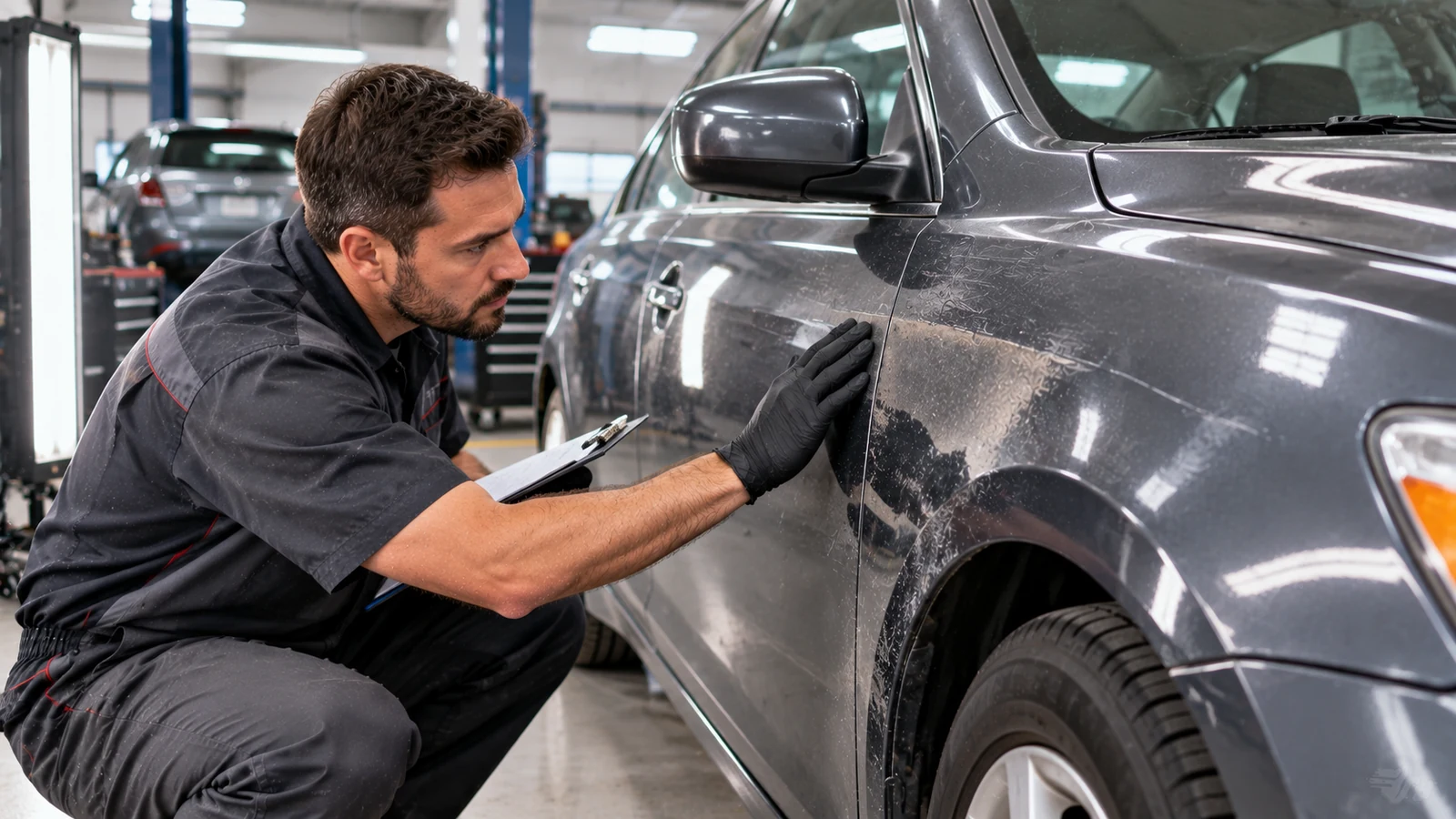
A clean body with intact paint is considerably easier to prepare than one with peeling clear coat, corrosion, dents, cracked filler, or deep scratches.
A shop may need additional hours to correct:
- Peeling or delaminated clear coat.
- Deep scratches.
- Stone-chip damage.
- Previous poor-quality bodywork.
- Cracked body filler.
- Surface corrosion.
- Dents and creases.
- Uneven previous repainting.
Painting directly over unstable material can cause the new finish to fail, so you usually need to correct damaged layers first.
Rust Repair
Rust can turn an apparently straightforward paint job into a body-repair project.
Light surface corrosion may be cleaned back to sound metal and properly primed.
More advanced corrosion can require cutting, welding, panel replacement, or more extensive metal preparation before painting can begin.
A low repaint quote may therefore increase once hidden corrosion is discovered.
Vehicle Size
A compact coupe requires less paint, primer, clear coat, masking material, and sanding time than a full-size SUV or pickup truck.
Larger vehicles also require more labor to prepare roofs, doors, quarter panels, bumpers, and other exterior surfaces.
As a result, full-size trucks and SUVs normally cost more to repaint than compact passenger cars.
Keeping the Original Color vs. Changing Color
Repainting a vehicle in the original color is usually less complicated.
A complete color change can require paint inside areas that would otherwise remain untouched, including:
- Door jambs.
- Trunk openings.
- Hatch openings.
- Inner door edges.
- Engine-bay edges.
- Fuel-door openings.
- Other visible panel transitions.
Painting these areas properly involves additional disassembly, masking, sanding, and spraying.
A full color change can therefore significantly increase labor.
What Do You Get at Each Paint-Job Level?
Budget Paint Job: About $500-$1,500
A low-cost repaint generally focuses on making the exterior look cleaner and more uniform without investing heavily in restoration-level preparation.
It may include:
- Basic sanding.
- Limited dent correction.
- Extensive masking instead of trim removal.
- Single-stage paint.
- Fewer finishing steps.
Single-stage paint combines pigment and gloss into the same coating.
It can suit an older daily driver or work vehicle where appearance matters more than an original-equipment-style finish.
The trade-off is typically less prep and shorter long-term durability than a higher-level paint system.
Standard Professional Paint Job: About $1,500-$4,000
This is the range many owners consider for a vehicle they plan to continue driving.
A standard professional repaint may involve:
- More thorough surface preparation.
- Dent and scratch correction.
- Primer application.
- Base coat.
- Separate clear coat.
- Improved masking or partial trim removal.
- Color blending where required.
- Final polishing.
A base-coat/clear-coat system separates the color layer from the protective glossy clear layer.
This lets the clear coat provide gloss, UV protection, and added resistance to environmental exposure.
High-End or Showroom Paint Job: $5,000-$15,000+
Restoration-quality painting can involve considerably more labor than a normal collision-shop repaint.
The process may include:
- Extensive disassembly.
- Removal of handles, lamps, moldings, and trim.
- Bare-metal correction where necessary.
- Detailed dent and rust repair.
- Repeated primer and block-sanding stages.
- Multi-stage metallic or pearl color.
- Multiple clear-coat applications.
- Wet sanding.
- Machine polishing.
- Careful panel alignment and reassembly.
These jobs are common on classic cars, collector vehicles, luxury vehicles, custom builds, and restorations where edge finish and panel quality matter.
Why Surface Preparation Matters More Than Most Owners Expect
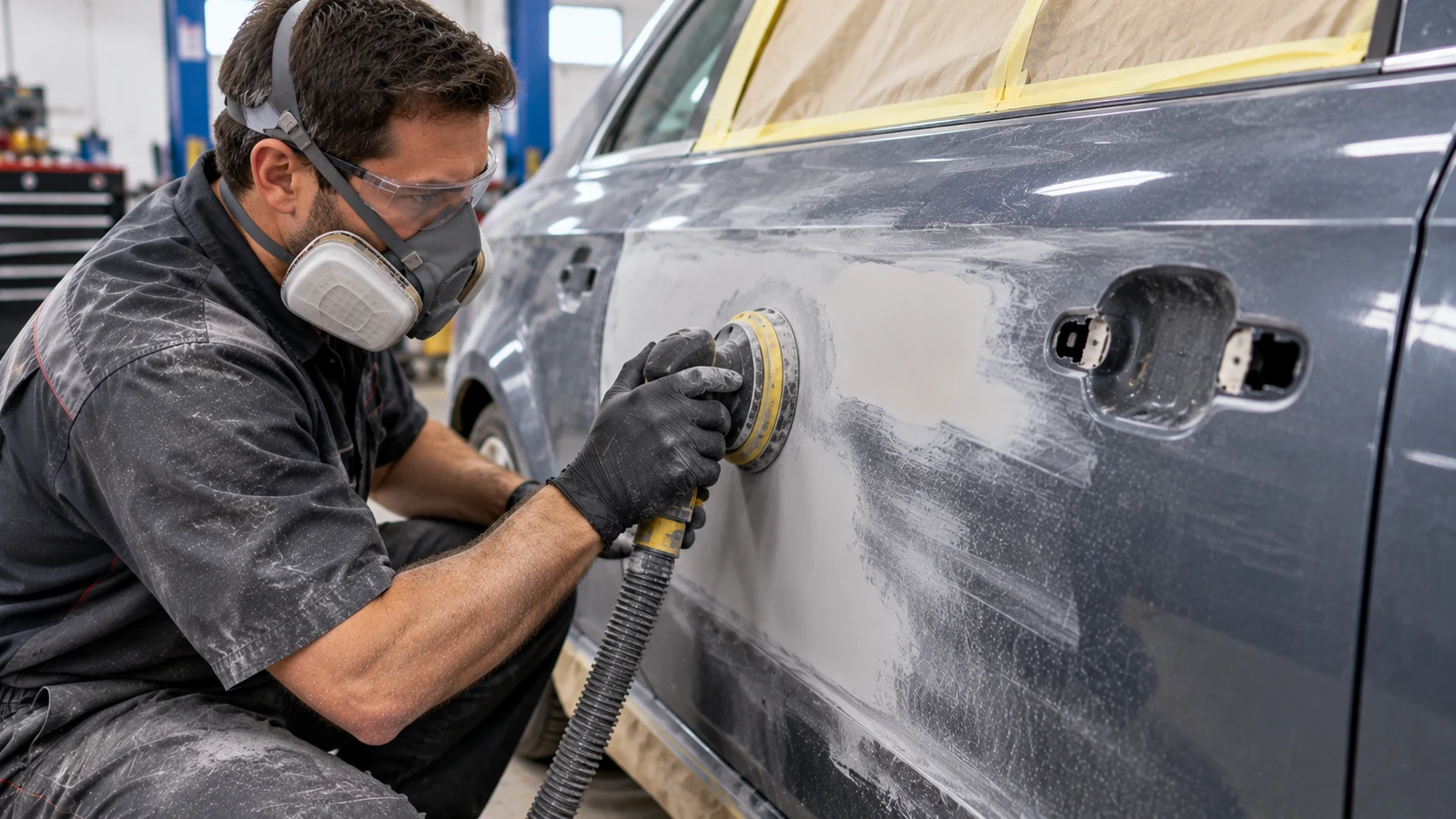
Paint can only look as good as the surface underneath it.
If a panel has waves, sanding scratches, chips, contamination, or unstable old paint, those problems can show through the final finish.
Professional preparation commonly includes several stages.
Cleaning and Degreasing
The body must be free from wax, road tar, silicone, oil, tree sap, and other contaminants.
Contamination can cause defects such as fisheyes or poor adhesion in the new finish.
Feather-Edge Sanding
Scratched or damaged paint is gradually sanded so that the transition between old paint, primer, and exposed substrate cannot be felt after refinishing.
Primer
Primer creates a stable surface for the color coat and helps isolate repaired areas.
Different materials may require different primers, especially when exposed metal or plastic parts are involved.
Block Sanding
You can block-sand primer to reveal low spots, waves, and other imperfections.
This step is especially important when you expect a smooth, high-quality finish.
Masking vs. Removing Exterior Trim
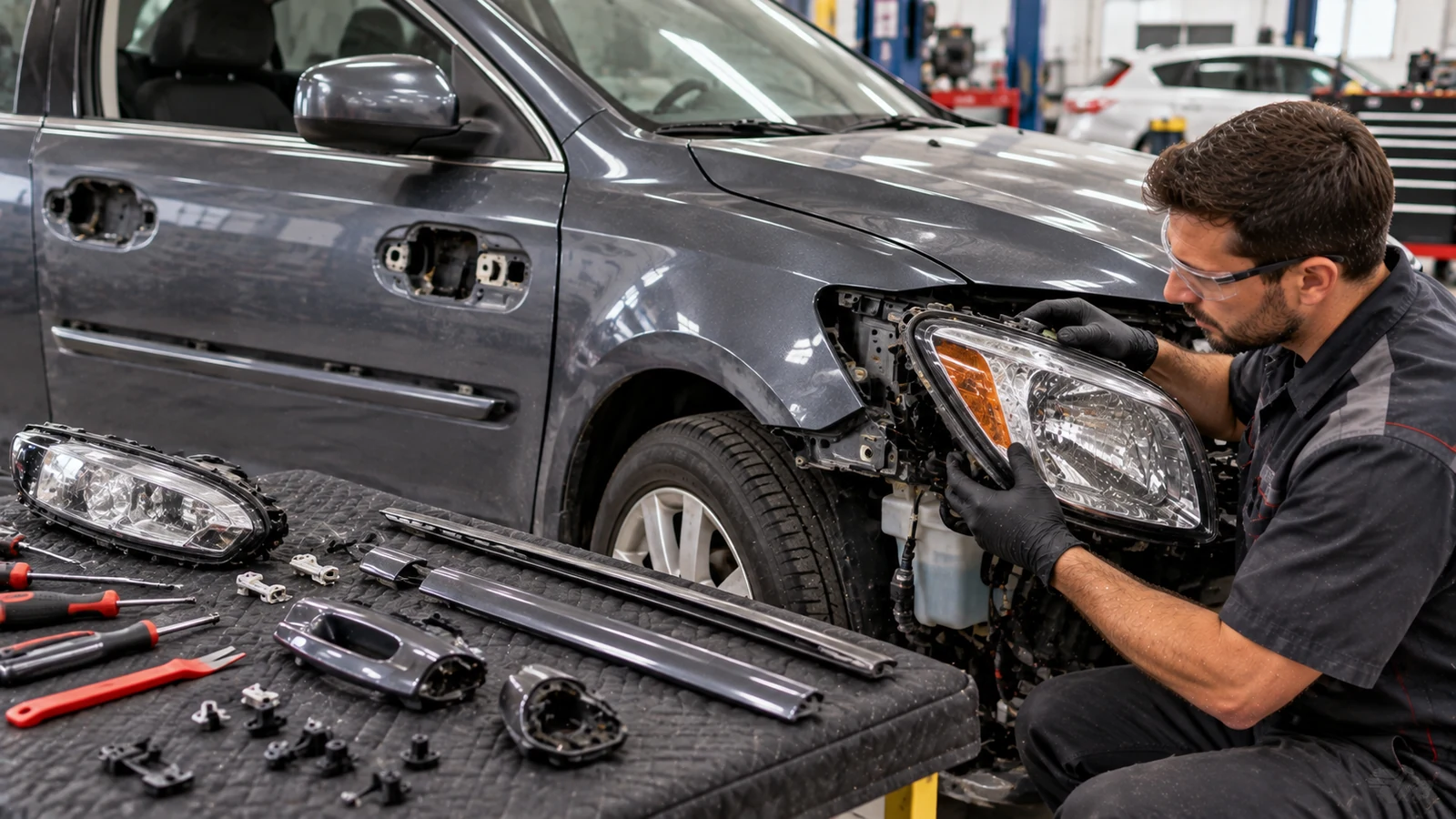
One of the clearest differences between inexpensive and premium paint jobs is how the shop handles exterior components.
Masking
For a lower-cost repaint, technicians may mask around:
- Door handles.
- Window moldings.
- Lamps.
- Emblems.
- Weatherstripping.
- Exterior trim.
This saves labor.
However, paint can still remain around masked edges, so careful masking is necessary to prevent overspray.
Removing Trim Before Painting
A higher-level job may remove many exterior components before painting.
This lets paint and clear coat flow naturally around panel edges and reduces visible masking lines.
Removing parts such as handles, lamps, bumper covers, and moldings can add many hours of labor.
For owners comfortable with mechanical work, carefully removing selected components before the vehicle goes to the paint shop may reduce labor charges. Always discuss this with the shop first, so you know exactly which parts they want removed.
Vehicle-specific service information can make this much safer.
For example, owners working on a matching Honda application can use the 2006-2013 Honda Civic Coupe Factory Workshop & Repair Manual to reference factory body-component procedures rather than guessing where hidden clips and fasteners are located.
For Volkswagen bodywork, documentation such as the 2004-2007 Volkswagen Touareg Factory Workshop & Repair Manual can likewise help identify model-specific trim and panel removal procedures.
Car Paint Types Explained
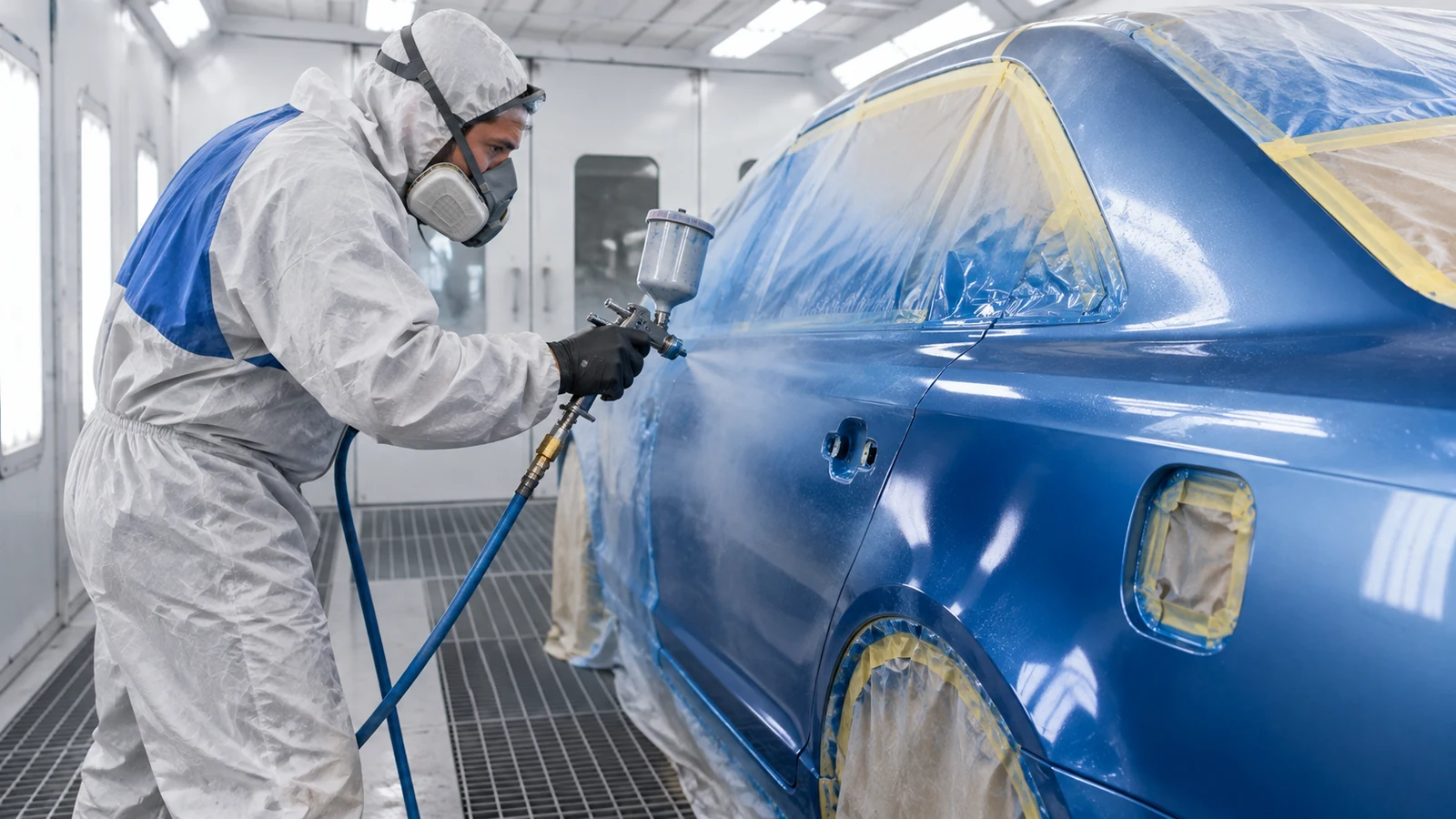
Not every paint quote uses the same type of coating.
Understanding the basic systems makes it easier to compare estimates.
Single-Stage Paint
Single-stage systems combine color and gloss in one coating.
Advantages include:
- Lower material cost.
- Fewer application stages.
- Faster refinishing.
- Appropriate for certain budget or restoration applications.
The disadvantage is that modern base-coat/clear-coat systems generally provide more flexibility for color effects and final clear-coat protection.
Base Coat and Clear Coat
A two-stage system applies the color separately from the clear protective finish.
The base coat provides the pigment, metallic effect, pearl effect, or color depth.
The clear coat supplies:
- Gloss.
- UV protection.
- Environmental protection.
- Additional finish depth.
This system is widely used in modern vehicle refinishing.
Waterborne Base Coat
Waterborne paint systems use water as a major carrier for the pigment layer.
Professional refinishing facilities may use these systems to reproduce modern factory finishes, including metallic colors where consistent flake orientation is important.
They require appropriate spray-booth airflow and drying equipment.
Spot Repair or Full Repaint?
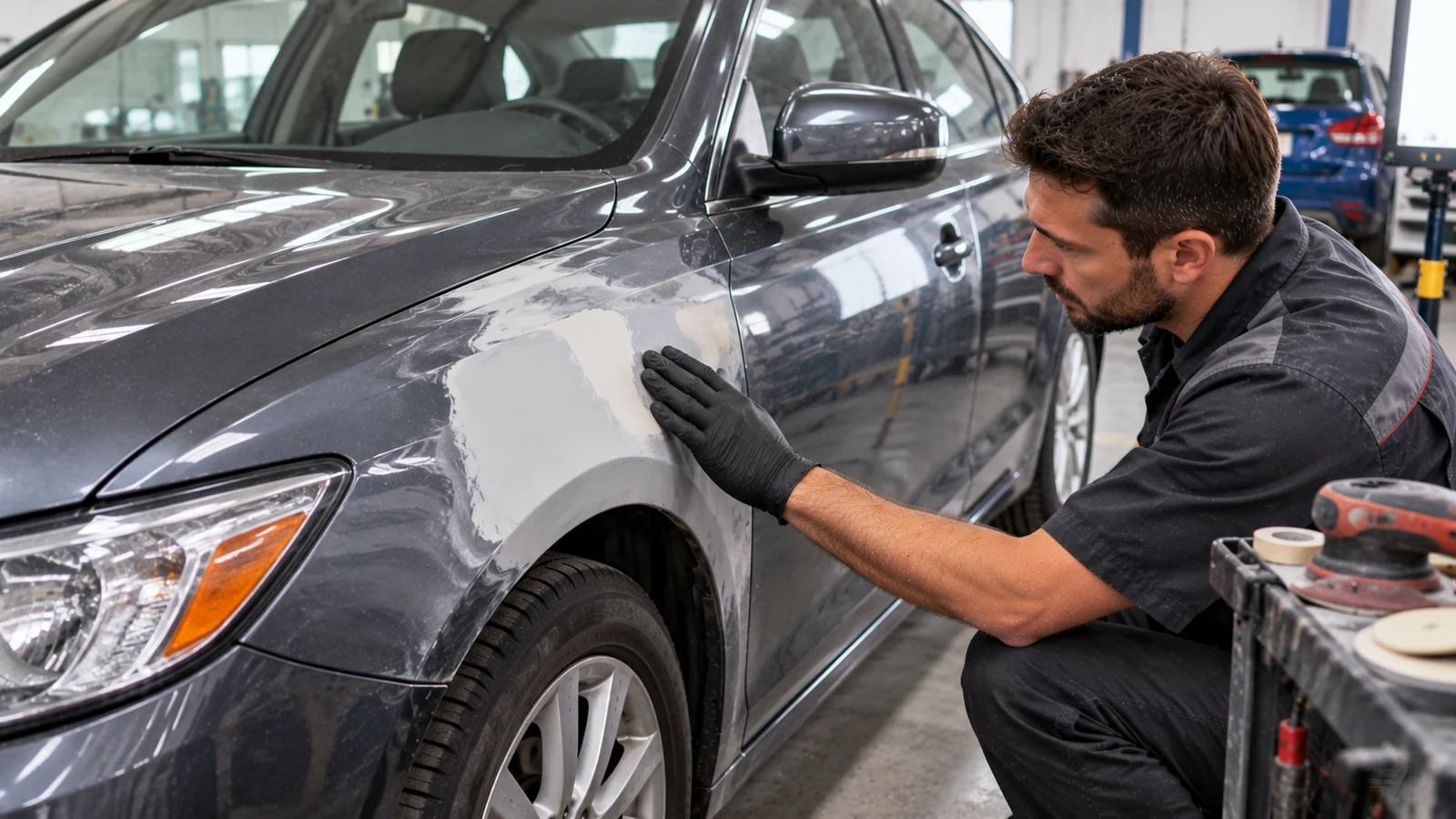
Not every scratch requires painting the whole car.
A localized repair is often the more sensible solution when the rest of the finish remains in good condition.
Spot or Single-Panel Repair Works Best When:
- Damage is limited to one area.
- The surrounding paint remains healthy.
- There is no widespread clear-coat failure.
- Rust has not spread across multiple panels.
- The existing color can be blended successfully.
Repairing an individual bumper, fender, hood, or door may cost roughly $300-$800, depending on damage and blending requirements.
Full Repaint Makes More Sense When:
- Clear coat is failing across the vehicle.
- Several panels need repair.
- The finish is heavily faded.
- The car has several mismatched previous repairs.
- Significant restoration work is already planned.
- You want a complete color change.
A painter may also need to blend fresh color into adjacent panels because older factory paint can fade slightly over time.
Paint vs. Vinyl Wrap
Vehicle wraps are another option when the goal is mainly to change appearance.
A professional wrap can cost around $2,500-$5,000, putting it in a similar price range to some professional paint jobs.
A wrap offers several advantages:
- It can be removed later.
- It provides access to matte, satin, and custom appearances.
- It can preserve good original paint underneath.
However, vinyl does not eliminate the need for body repair.
Rust, dents, peeling clear coat, and damaged paint generally need correction before wrapping because vinyl follows the surface underneath it.
Painting is the more permanent solution, while wrapping is usually chosen when reversibility or temporary styling is important.
Can You Paint a Car Yourself?
DIY painting can reduce labor costs, but it is a much larger project than applying a few aerosol coats in a garage.
A full DIY repaint may require roughly $400-$1,200 or more in materials and equipment, depending on what you already own.
Professional work commonly starts around $1,500 and rises substantially with preparation requirements.
| Factor | DIY Painting | Professional Body Shop |
|---|---|---|
| Typical cost | About $400-$1,200+ | About $1,500-$5,000+ for many standard jobs |
| Personal labor | Often 30-60 hours | Minimal owner labor |
| Environment | Difficult to control dust and temperature | Dedicated spray booth |
| Equipment | Compressor, spray equipment, PPE, sanding equipment | Professional refinishing system |
| Finish consistency | Depends heavily on skill and environment | Generally more predictable |
| Workmanship warranty | None | May be included depending on shop |
Safety Is a Major Consideration
Modern automotive coatings can involve hazardous chemicals.
Two-component urethane products may contain isocyanates, which require appropriate professional respiratory controls and protective equipment.
A dust mask is not adequate protection for professional automotive spray coatings.
If you don’t have the right spray environment, ventilation, protective equipment, and experience, body preparation or removable-part disassembly may be more realistic DIY work than spraying the complete vehicle yourself.
Ways to Reduce the Cost of a Professional Paint Job
You may be able to lower the final bill without choosing the cheapest possible coating.
Repair Only the Damaged Area
If the rest of the car looks good, ask whether a localized repair is practical.
Keep the Existing Color
Avoiding a complete color change can reduce the amount of jamb and opening work required.
Discuss Trim Removal Beforehand
Ask the shop which components contribute most to disassembly labor.
If they agree, you may be able to remove certain parts yourself.
For example, body-component instructions in the 1993 Jeep Wrangler Factory Workshop & Repair Manual can be useful when a compatible Wrangler needs doors, trim, or related exterior pieces removed before refinishing.
Owners working on an older Ford can similarly use vehicle-specific documentation such as the 2000 Ford Racing Puma Factory Workshop & Repair Manual when preparing removable exterior components.
Do Not Perform Major Sanding Without Asking the Painter
It may seem logical to save money by sanding the vehicle yourself, but incorrect grit selection, deep sanding marks, contamination, or exposed substrates can create extra work for the shop.
Ask the painter what preparation they actually want completed before touching the finish.
Manufacturer-Specific Body and Paint Considerations
The general painting process is similar across vehicles, but body materials, trim attachment methods, paint codes, and factory coating systems vary.
Ford Car Painting Cost
Some modern Ford vehicles use extensive aluminum exterior construction, while many other Ford models use conventional steel panels.
That difference matters when bare substrates require preparation and primer.
Factory paint-code information is commonly found on vehicle identification or certification labels.
Toyota Car Painting Cost
Toyota vehicles can use multi-stage pearl finishes that require more than a simple color coat to reproduce correctly.
Accurate paint-code identification and proper blending are especially important when repairing an isolated panel.
For older Toyota bodywork, a vehicle-specific resource such as the 1997 Toyota Paseo Coupe Factory Workshop & Repair Manual can assist with trim and panel-disassembly information.
Honda Car Painting Cost
Honda exterior components often use lightweight clips and retainers that can be damaged if you remove panels without identifying the correct fastener locations.
Careful sanding is also important when retaining the original clear coat around a localized repair.
BMW Car Painting Cost
BMW vehicles can have complex bumper, molding, washer, sensor, and trim assemblies.
Removing these parts correctly may be important when a high-quality repaint requires paint coverage around panel edges.
For applicable vehicles, the 2010-2013 BMW X5 M E70 Factory Workshop & Repair Manual provides model-specific technical documentation.
Volkswagen Car Painting Cost
Preserving intact factory corrosion-protection coatings is important when preparing Volkswagen body panels.
Paint-code information is also necessary when blending an existing factory finish.
Jeep Car Painting Cost
Jeep vehicles may use textured exterior plastic, removable doors, exposed hardware, and substantial exterior cladding.
Protect or remove unpainted textured trim to avoid accidental overspray.
Subaru Car Painting Cost
Many Subaru models use lower-body cladding and numerous exterior plastic fasteners.
Carefully removing those components can help prevent broken clips and visible masking edges.
Porsche Car Painting Cost
High-end refinishing often requires precise color matching, careful film preparation, and extensive trim removal.
On a restoration project, factory service information can also help prevent damage to older seals and trim. An example available through AutoServicePlus is the 1983 Porsche 911 SC Cabriolet Factory Workshop & Repair Manual.
How a Factory Workshop Manual Helps Before Painting
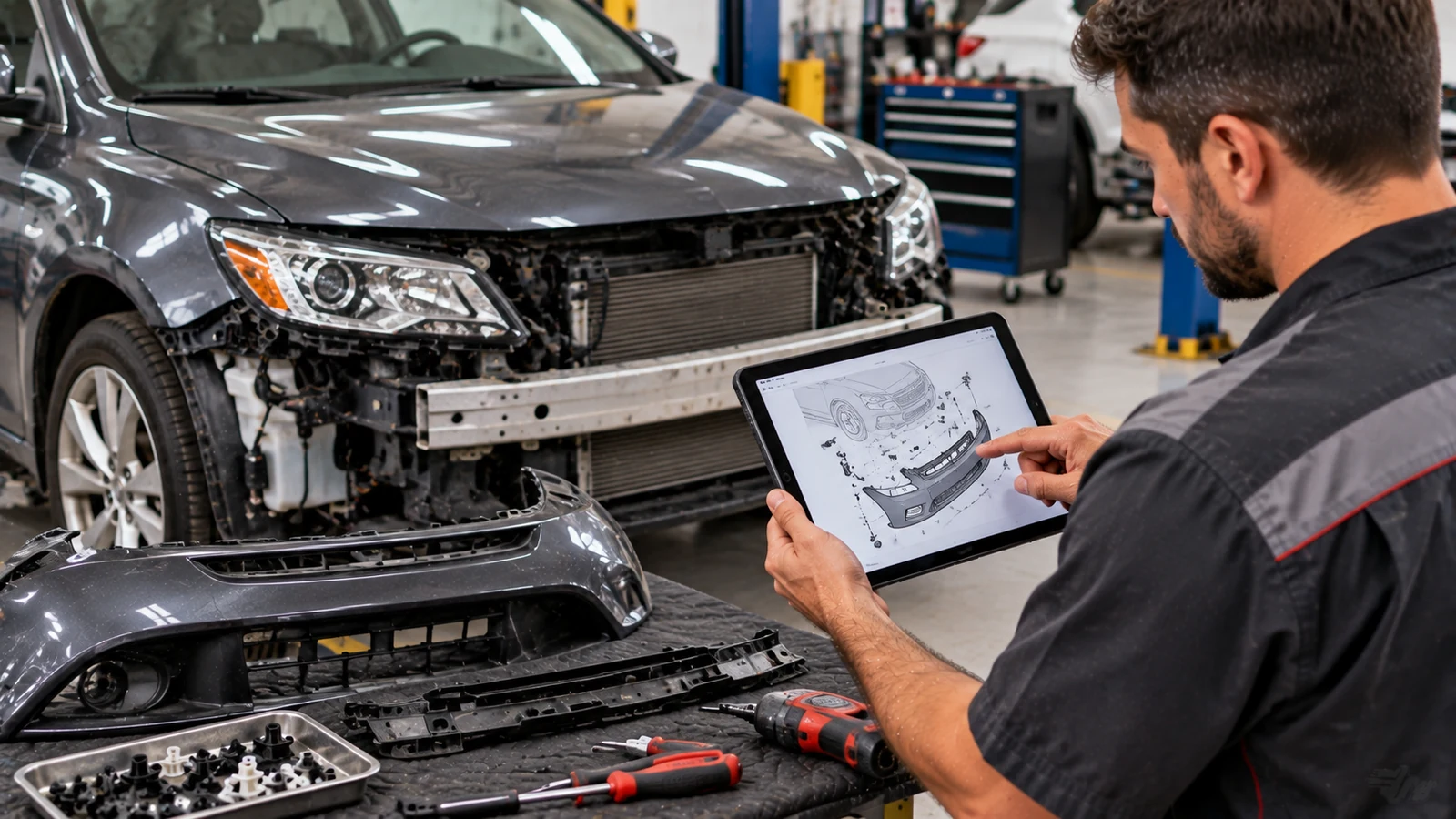
A workshop manual will not teach you how to spray a flawless clear coat, but it can be extremely useful for the mechanical side of a repaint.
Depending on the vehicle, factory documentation can help with:
- Bumper-cover removal
- Headlight and taillight removal
- Door-handle removal
- Mirror removal
- Exterior molding removal
- Fender-liner removal
- Door and hood adjustment
- Trim clip locations
- Fastener sequences
- Weatherstrip removal and installation
- Body-panel alignment
This information becomes valuable because exterior components are often secured by fasteners hidden behind liners, interior panels, covers, or adjacent trim.
Guessing where a hidden clip is located can turn a labor-saving DIY removal job into a broken mounting tab or damaged molding.
For AutoServicePlus customers, choosing a manual that matches the exact year, model, body style, and platform is more useful than relying on generic disassembly instructions.
Questions to Ask Before Approving a Paint Estimate
Do not compare estimates based only on the final dollar amount.
Ask each body shop what the quoted price actually includes.
Useful questions include:
- How much body preparation is included?
- Will dents and scratches be repaired?
- How is rust handled?
- Are exterior trim pieces removed or masked?
- Is primer included?
- Is the finish single-stage or base coat plus clear coat?
- How many clear-coat applications are planned?
- Are door jambs included?
- Does the estimate include color blending?
- Will the vehicle be wet-sanded or polished afterward?
- Is there a workmanship warranty?
- Does the quote include reassembly?
- Could hidden rust or previous repairs change the estimate?
A detailed written estimate makes it much easier to understand why one shop costs more than another.
Final Takeaway
So, how much does it cost to paint a car?
For most owners, the useful ranges are:
- $500-$1,500 for a basic repaint
- $1,500-$4,000 for a standard professional finish
- $5,000-$15,000+ for high-end restoration or showroom work
- $150-$800+ for many localized paint repairs
The biggest mistake is choosing a paint service based only on price.
Ask how much preparation is included, what paint system they’ll use, whether they remove or mask trim, how they’ll repair existing rust and dents, and what finishing work they do afterward.
A higher quote often reflects more hours spent preparing the body and finishing the job, not just more expensive paint.
If you need to remove exterior components before refinishing, the correct factory workshop manual can also help you locate hidden clips, fasteners, and adjustment procedures without damaging the parts you are trying to preserve.
Frequently Asked Questions
How Much Does It Cost to Paint a Whole Car?
A basic full repaint can start around $500-$1,500.
A standard professional base-coat/clear-coat job typically costs $1,500-$4,000, while restoration or showroom-quality work can cost $5,000-$15,000 or more.
Body condition and preparation requirements can change those figures considerably.
Why Does A Good Car Paint Job Cost So Much?
Most of the work happens before and after the actual spraying.
Dent repair, rust treatment, sanding, priming, trim removal, masking, curing, polishing, and reassembly all require skilled labor.
The shop also incurs costs for spray booths, filtration, equipment, paint materials, and safe handling of refinishing chemicals.
How Much Does It Cost to Paint One Car Panel?
An individual bumper, fender, hood, door, or similar panel may cost roughly $300-$800 to repair and repaint, although complex damage and extensive color blending can raise the price.
Small localized touch-ups may start lower.
Can I Save Money By Removing Parts Before Painting?
Potentially.
Removing lamps, moldings, handles, emblems, or other agreed-upon components can reduce shop labor.
Discuss the plan with the painter before taking anything apart and use vehicle-specific service information to avoid breaking hidden clips or fasteners.
Is It Cheaper To Wrap or Paint A Car?
A professional wrap may cost around $2,500-$5,000, which overlaps with the price of many mid-level professional paint jobs.
Wrapping is reversible, while repainting is permanent.
However, a wrap still needs a smooth, stable surface underneath, so you can’t simply hide damaged paint and rust.
How Long Does A Professional Paint Job Take?
A standard repaint may take roughly 3-7 business days.
More extensive color changes, body repairs, restorations, and custom finishes can require several weeks because of additional preparation, curing, finishing, and reassembly.
What Is the Difference Between Single-Stage and Base-Coat/Clear-Coat Paint?
Single-stage paint combines color and gloss in one coating.
A base-coat/clear-coat system applies the color separately and then covers it with a transparent protective clear coat.
Base-coat/clear-coat systems are widely used for modern automotive refinishing and provide greater flexibility for metallic, pearl, and other contemporary finishes.
Is A Cheap Car Paint Job Worth It?
It can be appropriate when the goal is improving the appearance of an older daily driver, fleet vehicle, or inexpensive project car.
A budget repaint is less suitable when you expect restoration-quality panel preparation, extensive trim removal, flawless edge coverage, and maximum long-term finish quality.