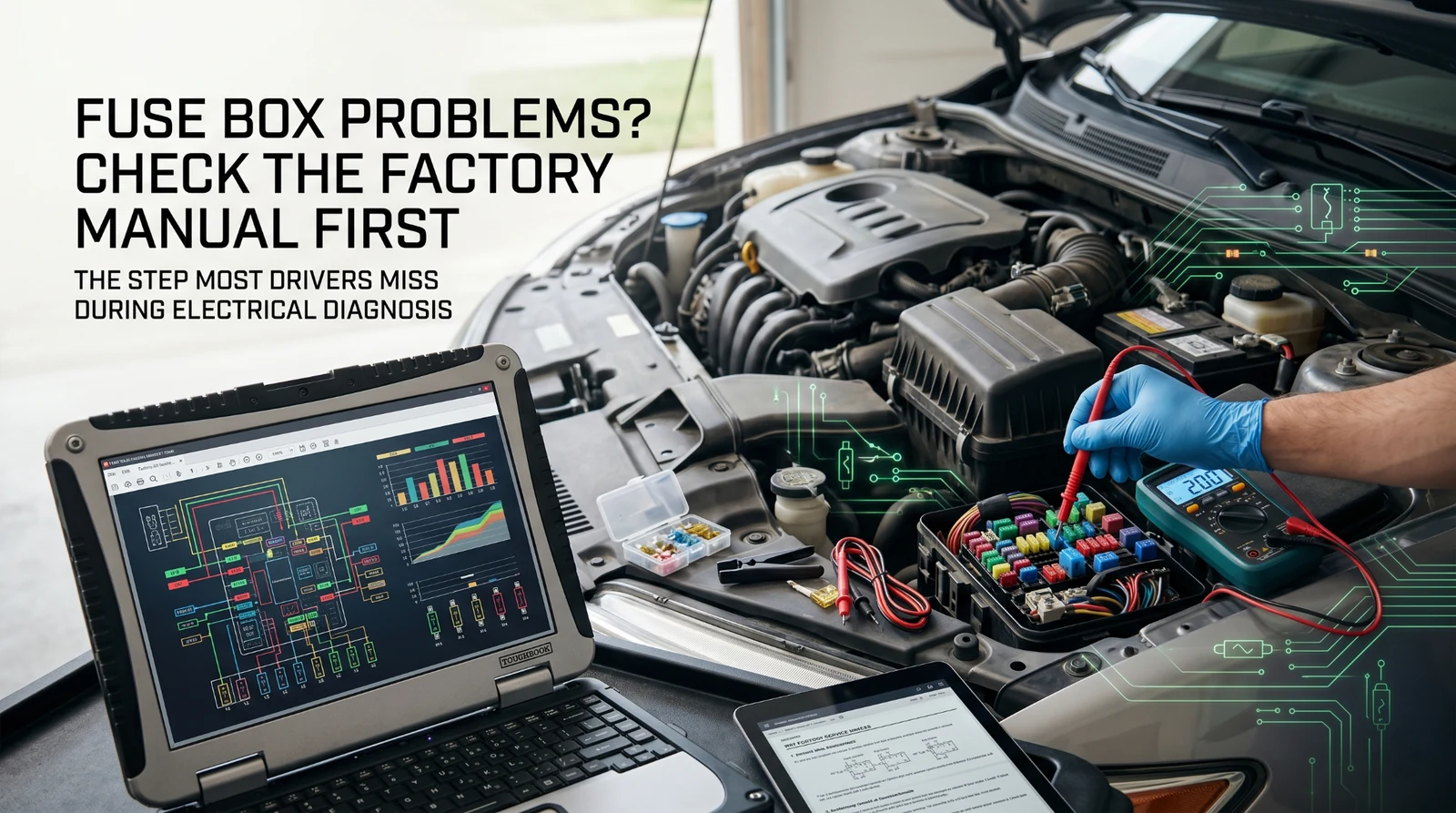
Grabbing the wrong Ford workshop or repair manual before starting a job is the kind of mistake that costs real money. Many Ford owners pick the first available document without realizing that the wrong type can lead to missed specs, botched repairs, and wasted effort.
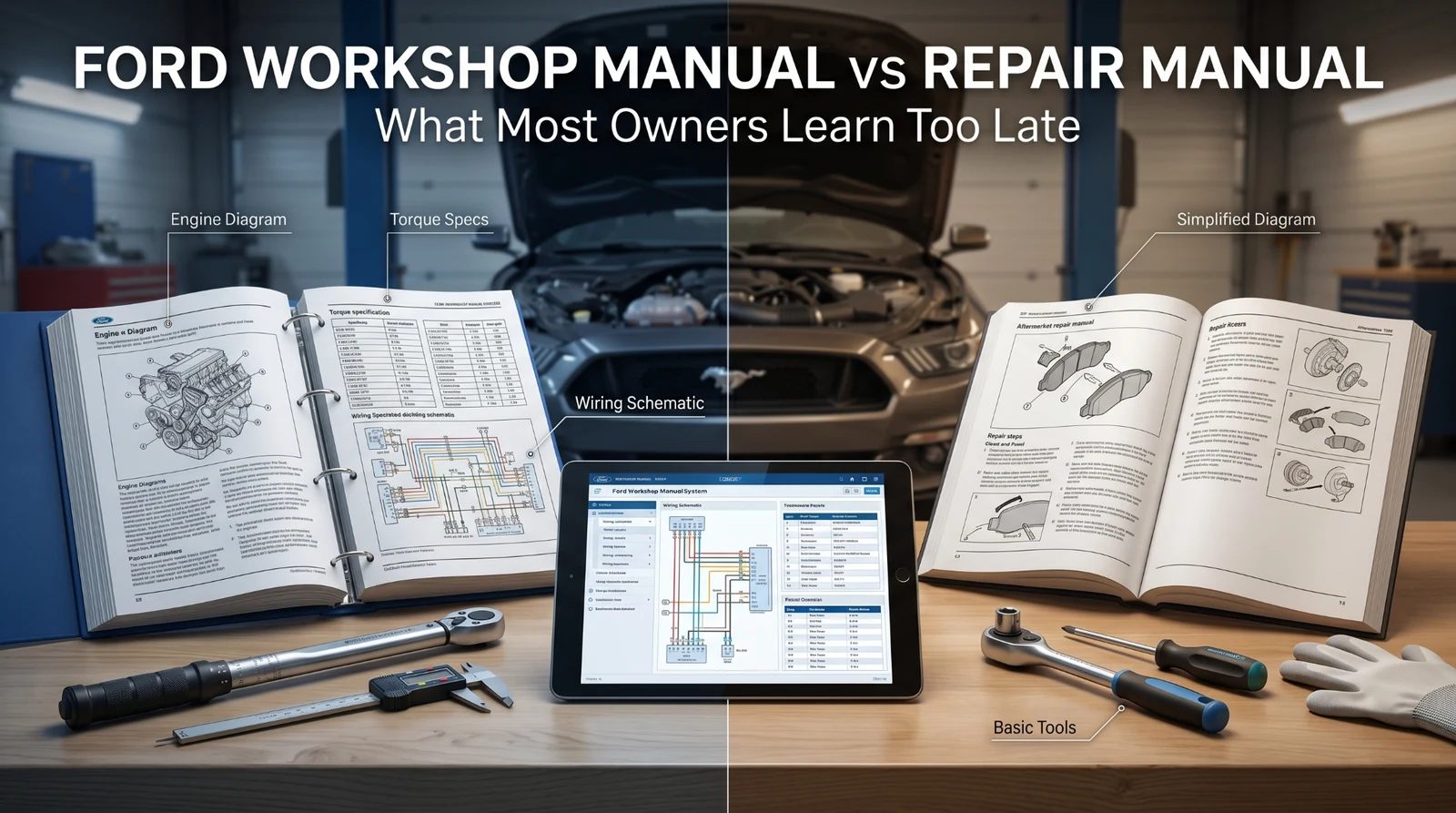
Ford Workshop Manuals provide comprehensive OEM technical data, whereas Repair Manuals offer simplified maintenance guidance for everyday users. Workshop manuals are professional-grade, VIN-specific guides for technicians. In contrast, aftermarket repair manuals (such as Haynes) focus on common DIY tasks and include accessible visuals.
This article breaks down exactly what each manual contains, when to use each one, and where to find reliable sources for your specific Ford model.
Ford Workshop Manual vs Repair Manual: The Real Difference That Changes Every Repair
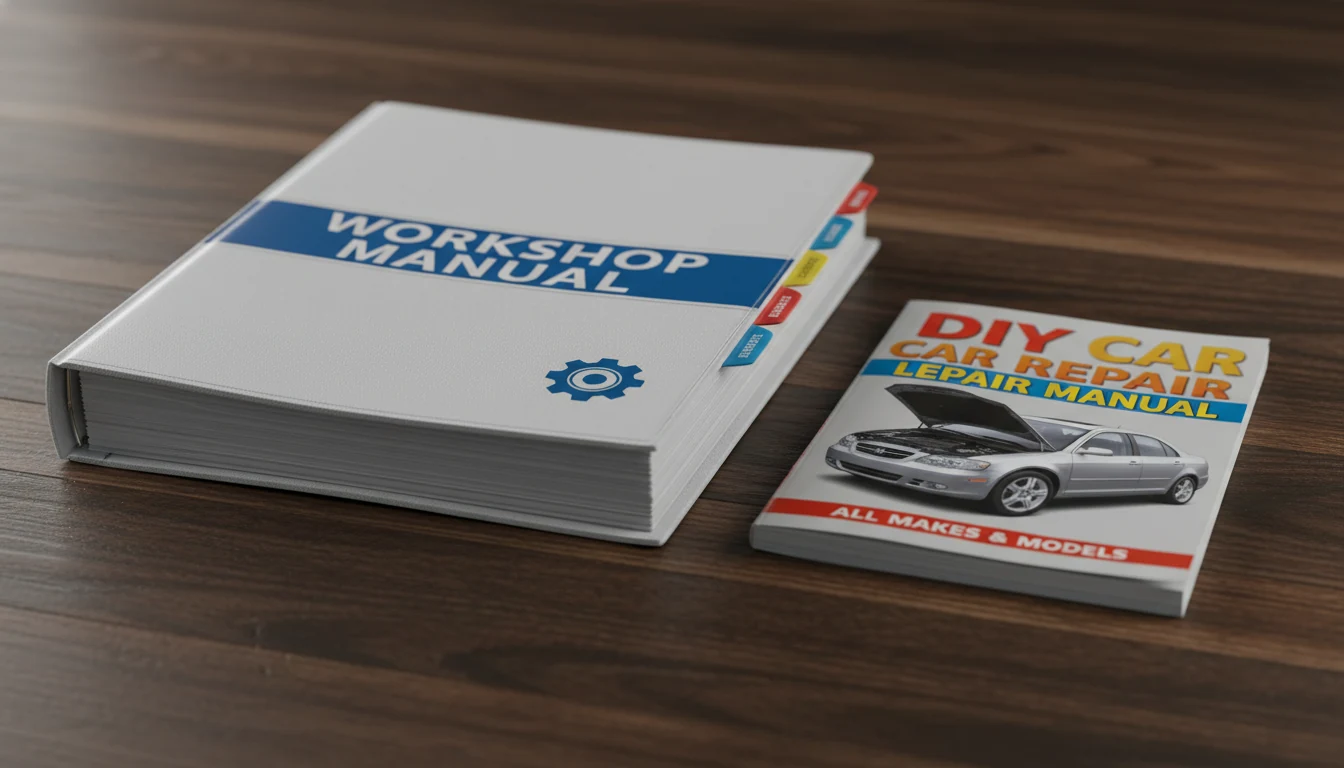
Most Ford owners never stop to question which type of manual actually fits their situation. The gap between a workshop manual and a repair manual runs far deeper than page count or document length.
One is built for trained technicians handling complete system overhauls. The other supports routine fixes and basic maintenance. Understanding this distinction before any job can separate a clean repair from a recurring problem.
What a Ford Workshop Manual Actually Contains
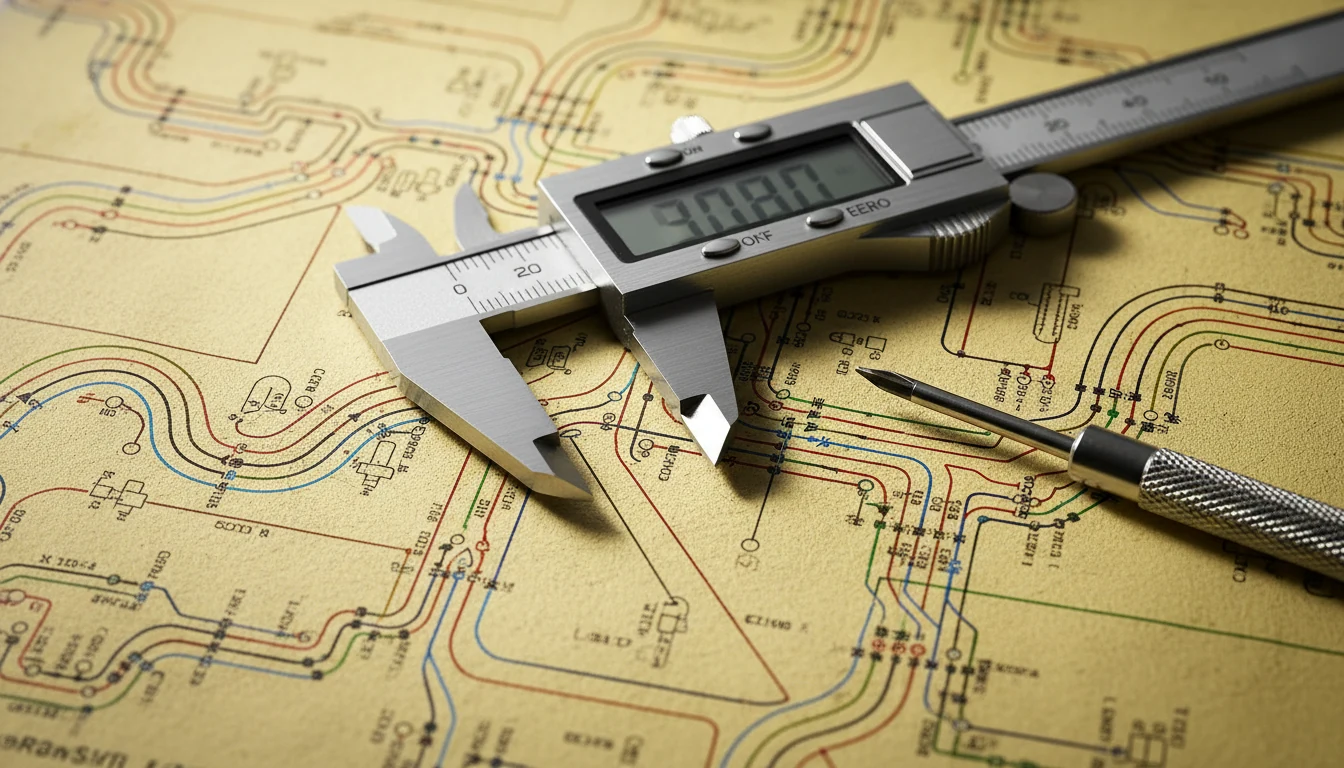
A Ford Workshop Manual goes well beyond standard instructions. It delivers wiring diagrams, diagnostic flowcharts, component tolerances, and system-level data that professional mechanics rely on during every serious repair job.
The Ford Workshop Manual is the most technical document produced for any Ford vehicle. It covers full electrical schematics, precise fluid specifications, and detailed disassembly sequences. Dealership technicians and certified mechanics use these documents daily.
Key inclusions in a Ford Workshop Manual:
- Complete wiring diagrams and circuit layouts
- Torque specifications for every fastener across all systems
- Diagnostic trouble code (DTC) explanations and flowcharts
- Step-by-step component removal and installation procedures
- Engine, transmission, and suspension system data
- Calibration, alignment, and module programming procedures
Workshop manuals often span several hundred pages per vehicle system. They assume the reader has mechanical training and diagnostic experience. This depth of detail is simply not available in any standard repair manual.
What a Ford Repair Manual Actually Covers
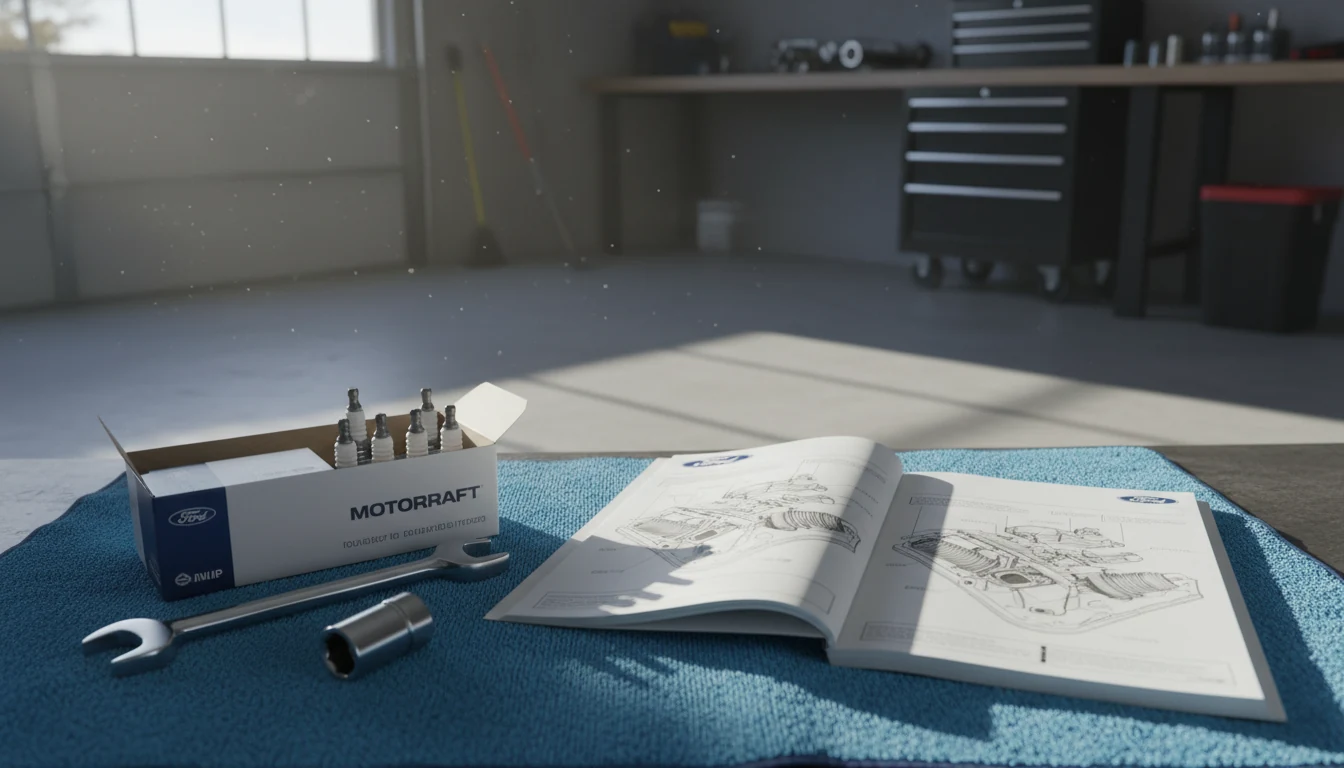
A Ford Repair Manual targets the everyday driver handling basic maintenance. It simplifies procedures into accessible steps, making it practical for oil changes, brake jobs, and common part replacements without specialized training.
The Ford Repair Manual focuses on the most frequent repairs and scheduled maintenance. It skips deep system architecture in favor of clear, accessible guidance. Publishers like Haynes and Chilton produce these for general consumer use.
What a typical Ford Repair Manual includes:
- Oil and filter change procedures
- Brake pad and rotor replacement steps
- Battery and alternator swap instructions
- Basic electrical troubleshooting guides
- Spark plug and belt replacement procedures
- Coolant flush and fill sequences
These manuals use plain language written for non-specialists. Many cover multiple model years within a single volume. The level of detail supports routine jobs but falls short for complex Ford system repairs.
Ford Workshop Manual vs Repair Manual: Side-by-Side
| Feature | Ford Workshop Manual | Ford Repair Manual |
|---|---|---|
| Target User | Professional technicians | DIY home mechanics |
| Wiring Diagrams | Full system schematics | Basic or absent |
| Torque Specs | Every fastener covered | Common specs only |
| Diagnostic Data | DTC codes and flowcharts | Limited coverage |
| Coverage Depth | Complete system-level data | Routine maintenance tasks |
| Language Level | Technical and detailed | Consumer-friendly |
| Typical Page Count | 500+ per system | 300-500 total volume |
When to Use a Workshop Manual Over a Repair Manual
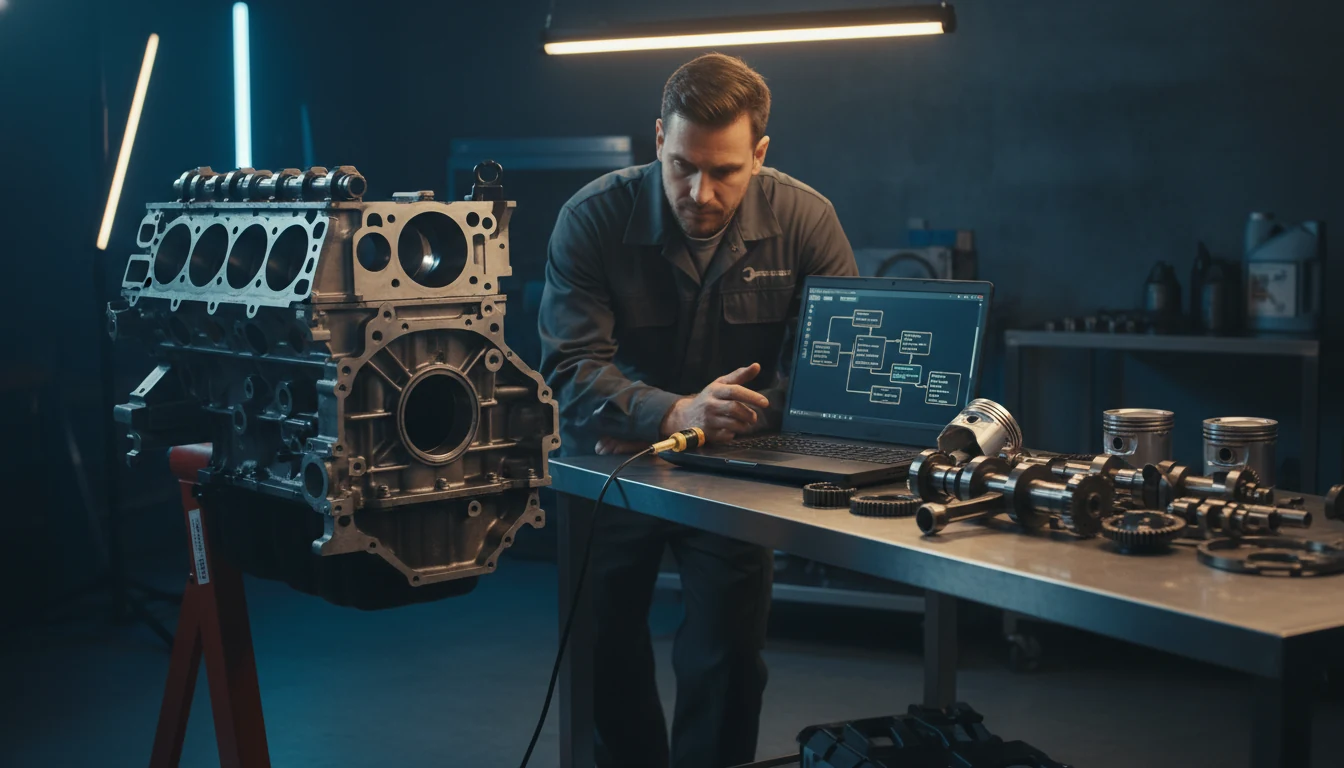
Picking the wrong manual creates critical gaps in any repair process. Knowing exactly when a Ford Workshop Manual is necessary helps prevent incomplete jobs that later turn into larger, costlier failures.
Choose a Ford Workshop Manual when the job involves:
- Engine rebuilds or timing system replacement
- Transmission overhaul or full clutch system repairs
- Complete electrical system diagnostics
- Advanced ADAS calibration or control module programming
- Any procedure requiring factory-level specifications and tolerances
Missing a single specification in these jobs ruins the entire repair. A standard repair manual does not carry enough data for these tasks. Using the wrong document at this level leads to repeated failures and safety risks.
When a Ford Repair Manual Gets the Job Done Right
Not every Ford repair requires factory-level documentation. A Ford Repair Manual performs perfectly for scheduled maintenance tasks and simple component swaps that do not involve complex or interconnected systems.
A Ford Repair Manual is the right call for:
- Routine oil changes and fluid top-offs
- Replacing filters, drive belts, and spark plugs
- Standard brake work on non-electronic systems
- Simple sensor swaps requiring no calibration
- Lighting replacements and minor interior component work
For these tasks, the added depth of a workshop manual is unnecessary. A solid repair manual keeps the process straightforward and efficient. Most Ford owners cover roughly 80% of their maintenance needs with just one.
Where to Find Reliable Ford Manuals

Finding an accurate Ford manual matters as much as choosing the right type. Outdated or incorrect documents lead to incorrect repairs, so sourcing from trusted platforms protects your vehicle and the results.
For Ford Workshop Manuals, the most reliable sources include:
- Ford’s official Motorcraft service portal and ETIS platform
- Alldata and Mitchell1 for professional subscription access
- Dealer-level technical resource centers
- autoserviceplus.net for downloadable Ford workshop and repair manual resources
For Ford Repair Manuals, trusted publishers include:
- Haynes Manuals
- Chilton Total Car Care series
- AutoZone’s free online repair guide database
For guidance on locating documents for a specific model year, the resource “Find the Right Ford Owner’s Manual for Any Model Year” helps you find the right document faster.
For deeper technical coverage across multiple Ford platforms, the guide on Ford Workshop & Service Manuals provides expanded system-level documentation across model lines.
Always verify the manual matches your exact Ford model year and engine variant. Even minor version differences can result in incorrect torque values or missing steps. Cross-referencing your VIN confirms you have the correct and complete document.
Conclusion
The difference between a Ford Workshop Manual and a Ford Repair Manual comes down to depth, level of detail, and the intended audience. One supports professional-level repairs with full system data. The other handles everyday maintenance with accessible, simplified instructions.
Knowing which one your specific job requires stops you from working with incomplete information at any stage. Before starting any Ford repair, match the manual type to the task’s actual complexity. That single decision keeps the job clean, accurate, and finished right the first time.
Frequently Asked Questions
Can a Ford Repair Manual handle advanced engine repairs?
A Ford Repair Manual covers common engine maintenance tasks such as spark plug replacement, air filter changes, and basic sensor work. It does not provide the system-level depth required for engine rebuilds, timing chain replacement, or internal clearance measurements.
For any repair that requires precise factory tolerances, component clearances, or multi-step disassembly sequences, a Ford Workshop Manual is the correct document.
Using a repair manual for advanced engine work omits critical steps from the procedure. Technicians consistently rely on workshop manuals for anything beyond bolt-on replacements or standard fluid service.
Are Ford Workshop Manuals available as free downloads?
Official Ford Workshop Manuals are not distributed free of charge through Ford’s own channels. Accessing them typically requires a subscription through professional platforms such as Alldata, Mitchell1, or Ford’s ETIS portal.
Unofficial free downloads do exist online, but these carry significant risks, including outdated data, incomplete system coverage, or incorrect specifications for specific model years.
For any serious repair, using an accurate, up-to-date Ford Workshop Manual from a verified source protects both the vehicle and the quality of the repair.
Subscription costs are minimal compared to the cost of a single repeat repair caused by incorrect documentation.
What separates a Haynes manual from a Ford Workshop Manual?
A Haynes Ford Repair Manual is written for general consumers and covers common maintenance tasks across multiple model years in a single volume.
A Ford Workshop Manual is model- and system-specific and written for trained technicians. Haynes manuals simplify procedures for accessibility, while workshop manuals include full wiring schematics, DTC diagnostic data, torque specifications for every fastener, and calibration procedures.
Both serve valid purposes. The right choice depends entirely on the job’s complexity and the technical background of the person performing the repair.
Do Ford Workshop Manuals cover all trim levels and engine variants?
Ford Workshop Manuals are typically organized by model platform, with separate volumes or sections covering different engine families, transmission configurations, and trim-level-specific systems.
A base model and a performance variant of the same Ford model may require different manual sections due to differences in suspension calibration, electronic systems, or engine management. Always identify your exact engine code, transmission type, and model year before sourcing any Ford Workshop Manual.
Using a manual matched to a different variant introduces specification errors that can compromise the repair from the very first step.
How often are Ford Workshop Manuals updated for newer models?
Ford Workshop Manuals are updated with each new model year and often receive mid-cycle revisions when Ford releases technical service bulletins (TSBs) or updated repair procedures. Professional subscription platforms like Alldata regularly push these updates, ensuring technicians always work with the latest specifications.
For newer Ford models with advanced driver assistance systems or hybrid powertrains, staying up to date with workshop manual revisions is critical. Outdated documentation for complex electric vehicles can lead to incorrect calibration, module programming failures, or safety system malfunctions that are difficult to trace back to their source.