
Ford service manuals include details that most mechanics underestimate until a repair goes wrong. One missing torque value or skipped wiring diagram can turn a straightforward job into a costly mistake. The risk is real, and it happens in shops every single day.
These manufacturer-authorized guides provide exact torque specs, wiring diagrams, and step-by-step procedures to eliminate guesswork. Professional mechanics rely on this precise data to ensure repairs are accurate, safe, and efficient.
This article breaks down what these manuals actually contain, why professional mechanics rely on them over any other source, and which sections matter most for accurate, efficient shop work.
What Ford Service Manuals Include and Why Mechanics Use Them: A Closer Look at the Real Details
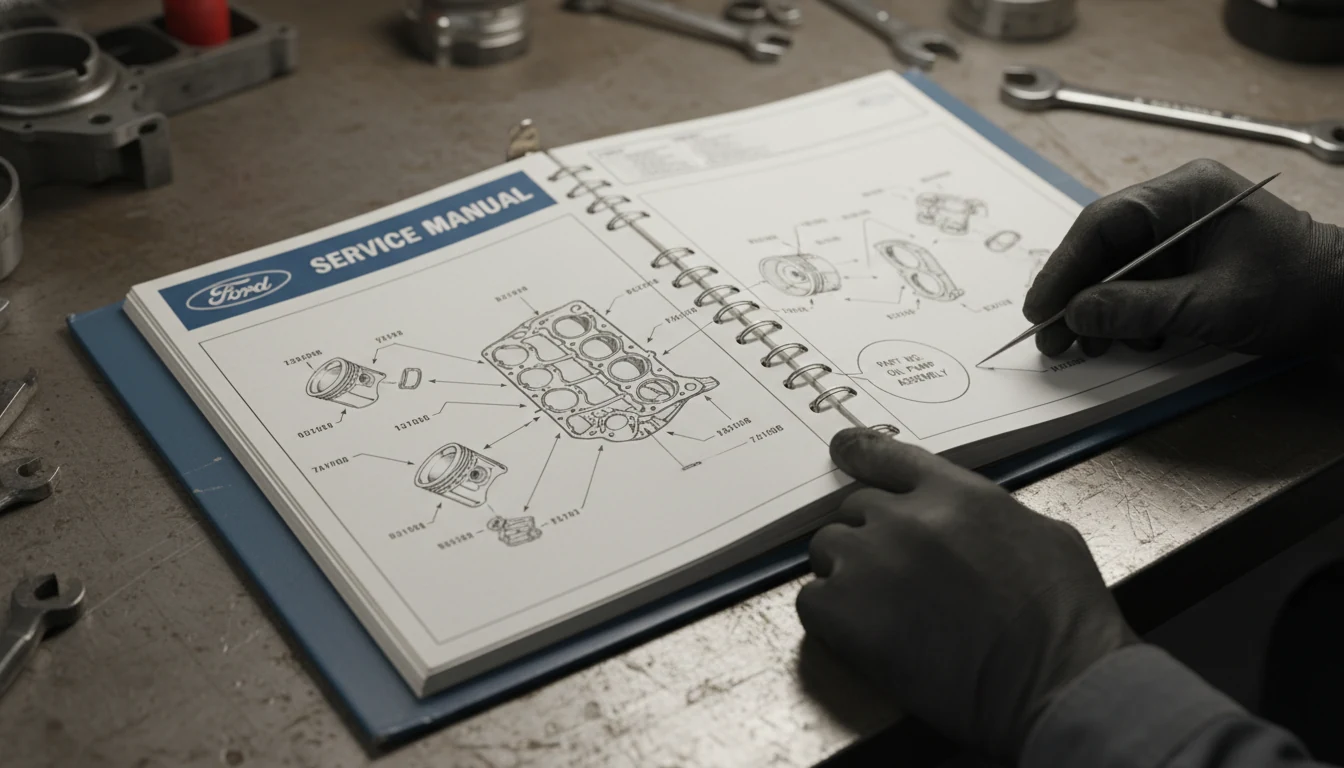
Ford service manuals are not generic repair guides. They are precision-built technical systems covering every model year, engine variant, and trim configuration in exact detail. Mechanics who use them consistently complete jobs faster and with fewer comebacks.
This section covers every major component inside a Ford service manual, explains how each section supports specific repair tasks, and shows why this documentation remains the industry standard across professional auto shops.
Exact Torque Specs That Protect Every Fastener
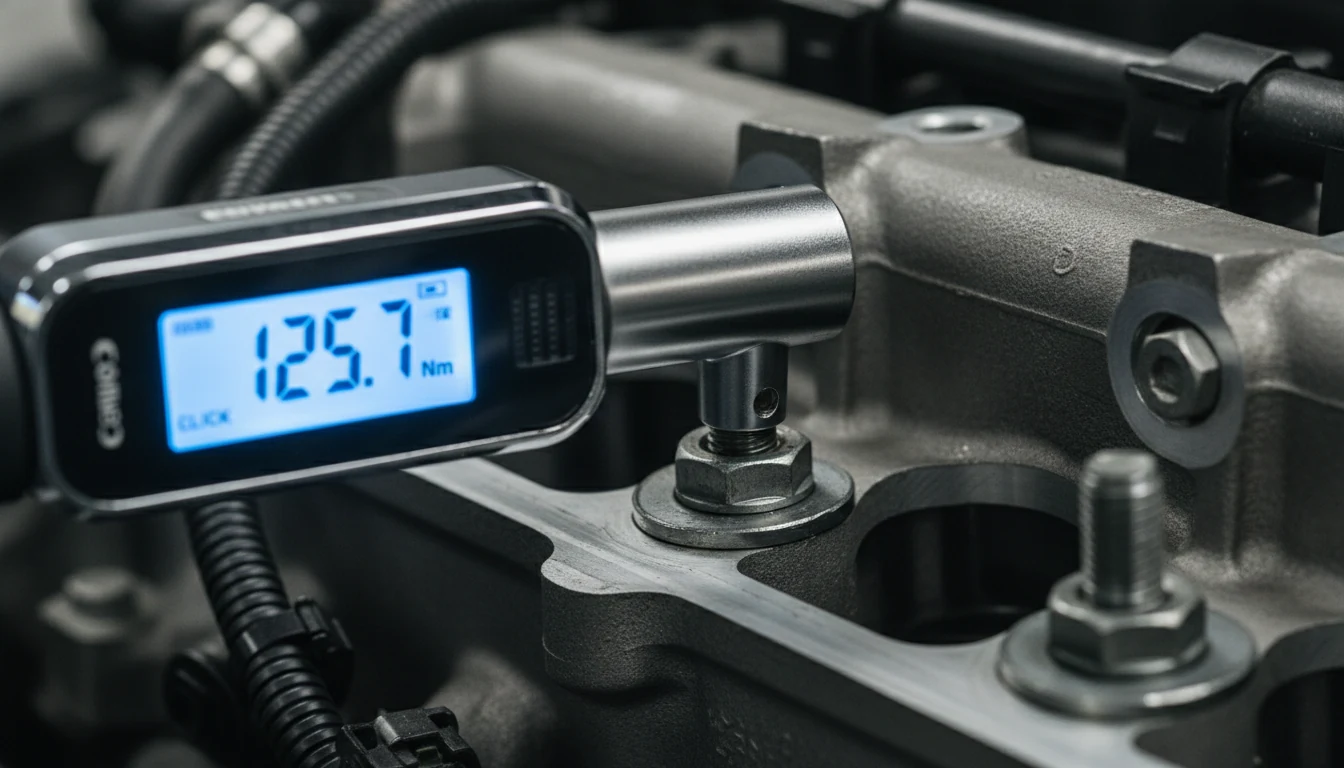
Getting torque wrong is one of the most common and expensive mistakes in any repair shop. Ford service manuals list torque values by location, thread size, and material type for every fastener in the vehicle.
This level of detail prevents stripped threads, blown gaskets, and failed assemblies. Generic guides either round these numbers or skip them entirely.
Torque data found in Ford service manuals includes:
- Cylinder head bolt sequences and stage values
- Wheel hub and lug nut specifications by trim level
- Suspension and steering component torque ratings
- Transmission, drivetrain, and axle fastener values
- Engine mount and subframe torque requirements
For mechanics working on vehicles like the F-150 or Mustang, these values vary by build year. The manual accounts for every variation.
Complete Wiring Diagrams for Every Electrical Circuit

Electrical faults are among the most time-consuming diagnoses without the right documentation. Ford service manuals include full wiring schematics covering every circuit in the vehicle, from basic lighting to complex module communication networks.
These diagrams show connector locations, wire colors, pin assignments, and ground points. A mechanic can trace a short or open circuit in minutes instead of hours.
What the wiring section covers:
- Power distribution charts and fuse layouts
- Relay diagrams with amp ratings by circuit
- Sensor and actuator wiring routes
- CAN bus and data link connector maps
- Module communication and network architecture
For related documentation on accessing the right version for your model, Find the Right Ford Owner’s Manual for Any Model Year provides a practical companion resource.
Step-by-Step Removal and Installation Procedures
Ford service manuals do not assume prior knowledge of complex jobs. Every removal and installation procedure is written as a numbered list of specific instructions for each stage.
This is essential for high-stakes work, such as timing chain replacements or transmission drops. Sequence matters, and the manual gets every step right.
Procedure sections typically include:
- Component removal order to avoid collateral damage
- Required special tools listed by Ford part number
- Reassembly alignment marks and verification checks
- Fluid fill quantities, types, and fill procedures
- Post-installation inspection and confirmation steps
Even veteran mechanics use these steps as a working checklist. Missing one item can turn a clean repair into a warranty issue.
Diagnostic Trouble Code Reference and Testing Paths

Ford vehicles run sophisticated onboard diagnostic systems that generate hundreds of fault codes. The service manual lists every code with its official definition and a full diagnostic procedure tree.
Generic scan tools provide a basic code description. The Ford service manual provides live data parameters, expected values, and testing sequences that lead directly to the root cause.
| Code Type | What It Covers |
|---|---|
| Powertrain (P) | Engine, transmission, fuel system |
| Body (B) | Doors, windows, lighting, HVAC |
| Chassis (C) | ABS, traction control, suspension |
| Network (U) | Module communication faults |
Following the diagnostic path from the manual prevents unnecessary parts replacement. That single habit saves both the shop and the customer real money.
Fluid Capacities, Service Intervals, and Lubricant Specs
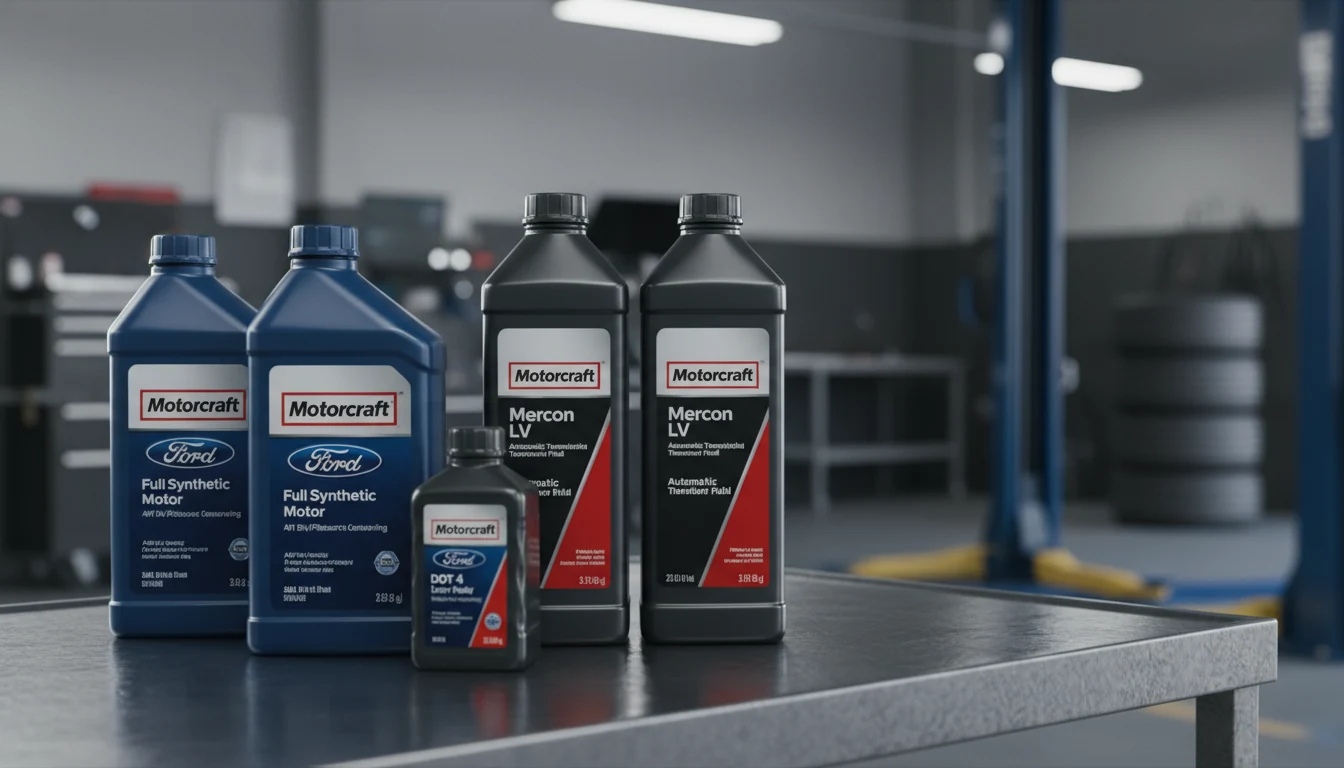
This section is often overlooked, but it carries some of the most practical data in any Ford service manual. Every fluid type, capacity, and change interval is listed by engine configuration and model year.
Using the wrong fluid or incorrect capacity causes premature component wear. The manual removes all ambiguity before the first drop goes in.
Fluid data found in Ford service manuals:
- Engine oil type, viscosity grade, and total capacity
- Transmission fluid specification and fill volume
- Coolant type, concentration, and system capacity
- Power steering and brake fluid ratings by system
- Differential and transfer case lubricant specifications
Mechanics who skip this section and rely on memory often create problems that show up weeks later, far outside the repair window.
Why Mechanics Choose Ford Service Manuals Over Third-Party Guides

Third-party repair guides cover general procedures but rarely match the precision of Ford’s official technical documentation. Mechanics handling safety-critical repairs need accuracy, not estimates.
Ford workshop and service manuals are written by the same engineers who designed the vehicle systems. That fact matters when every spec needs to be exact.
Reasons professional mechanics rely on Ford service manuals:
- Data matches the actual production vehicle, not a generic model
- Updates reflect current technical service bulletins
- Procedures account for model-specific and build-date variations
- Wiring data is verified against factory build records
- Torque and fluid specs are tested values, not approximations
For shops covering a range of Ford vehicles, the full manual library creates a measurable advantage in both speed and repair accuracy. Technicians who want broader coverage options can explore Ford Workshop and Service Manuals for additional documentation resources.
How Ford Service Manuals Are Organized for Fast Access

A Ford service manual is built for fast, task-specific access during live repair work, not for cover-to-cover reading. Understanding the layout saves time and reduces the risk of missing critical information mid-job.
Most mechanics develop a consistent navigation routine after using the manual a few times, moving directly to the section they need.
Typical Ford service manual organization:
- General Information: VIN decoding, torque charts, safe lifting points
- Engine: Mechanical systems, lubrication, cooling, fuel delivery
- Drivetrain: Clutch, transmission, driveshaft, axle assemblies
- Chassis: Brakes, steering, suspension, wheel, and tire specs
- Electrical: Full wiring diagrams, body control, and lighting
- HVAC: Climate control, refrigerant specifications, blend door procedures
- Accessories: Audio, navigation, camera, and driver-assist systems
Mechanics who need help identifying the right section for a specific Ford repair can also reference Ford workshop or repair manual for guidance on locating the correct documentation quickly.
Conclusion
Ford service manuals are the most reliable technical resource available for any Ford repair job. They contain verified torque specs, wiring diagrams, diagnostic trees, fluid data, and step-by-step procedures that no third-party guide can fully replicate.
Mechanics who use these manuals consistently produce faster, more accurate repairs with fewer mistakes. The structure of each manual is built for real shop conditions, not just reference reading.
Starting every Ford repair with the correct service manual is not a suggestion. It is the standard that separates competent repairs from professional ones.
Frequently Asked Questions
Are Ford service manuals available for free online?
Some older Ford service manuals are available through public databases or library lending programs, but most current model-year documentation requires a paid subscription or outright purchase.
Ford’s official service portal provides access to technicians through a verified subscription. Free versions available on third-party sites often lack full wiring diagrams and complete diagnostic trees that professional mechanics depend on.
For safety-critical repairs, accessing the official source is always the right move. Free alternatives can serve as a starting point, but they should never replace verified factory documentation when accuracy is non-negotiable.
What is the difference between a Ford service manual and an owner’s manual?
A Ford owner’s manual is designed for the vehicle’s driver and covers basic operation, scheduled maintenance, and safety features.
A Ford service manual is written for trained technicians and includes detailed repair procedures, full wiring diagrams, diagnostic trouble codes, torque specifications, and component removal instructions.
The service manual assumes mechanical knowledge and technical familiarity with the vehicle. Both documents serve completely different purposes.
Mechanics rely exclusively on the service manual for diagnosis and repair work, while drivers use the owner’s manual for everyday vehicle reference.
Do Ford service manuals cover technical service bulletins and recalls?
Ford service manuals provide the baseline repair procedures for standard maintenance and component repairs. Technical Service Bulletins and recall instructions are separate documents issued by Ford when a known production issue is identified after the vehicle’s release date.
Mechanics access these bulletins through Ford’s official service portal alongside the main manual.
It is important to check both sources before starting any repair, since a bulletin may override or update the original procedure listed in the standard documentation. Skipping this step is a common cause of repeat repairs.
Can independent shops legally use Ford service manuals?
Yes. Independent repair shops have legal access to Ford service manuals under Right to Repair regulations that apply in most regions. Ford provides access through its official Motorcraft Service website and other licensed distribution platforms.
Independent mechanics are not required to hold dealer-exclusive subscriptions in most cases. Using official Ford documentation is both legally sound and strongly recommended for accurate, liability-aware repairs.
Shops that consistently use factory documentation produce more reliable results and reduce exposure to liability from incorrect repairs based on inaccurate third-party information.
How often are Ford service manuals updated with new information?
Ford releases updated service manual content on a rolling basis throughout the model year as changes are identified. Updates typically follow the release of technical service bulletins, software revisions for control modules, or component changes discovered during production.
Mechanics using a subscription-based digital platform receive these updates automatically without any additional steps. Printed manuals become outdated quickly and should not be used as the primary reference for current or late-production Ford vehicles.
A live digital subscription to the official service portal ensures every technician has access to the most current and accurate repair information at all times.