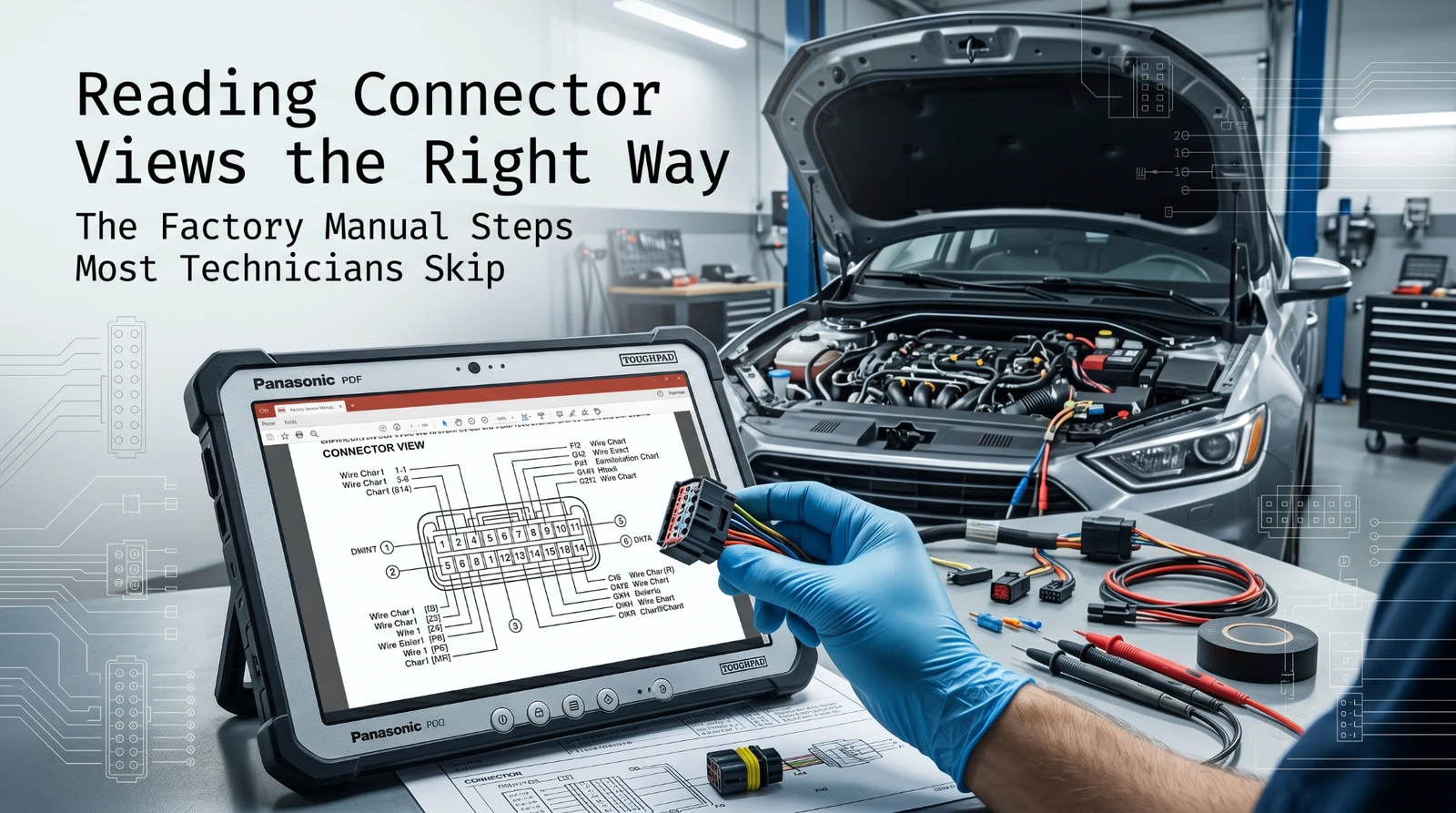
Common errors with factory repair manuals are silently burning money and ruining jobs for thousands of mechanics every year. Most people grab a manual, assume they know what they’re doing, and skip the details that actually matter.
Treat these manuals as strict contracts. Before starting, review all notes and warnings. Key errors include bypassing diagnostic flowcharts and failing to meet torque specifications. Unlike beginner guides, factory literature assumes professional expertise; misinterpretation can result in component damage or unsafe operation.
This article breaks down the real mistakes that cause failed repairs, wasted parts, and damaged vehicles. From picking the wrong manual edition to misreading torque specs, every critical error is covered here.
Common Mistakes When Using Factory Repair Manuals: Why Most Repairs Go Wrong

Most people underestimate how much a wrong step inside a factory repair manual actually costs them. These aren’t just technical documents. They are precision tools that only work when used precisely.
This guide targets the most damaging patterns found across thousands of real repair scenarios. Every mistake listed below is backed by what professional mechanics and experienced DIYers consistently report going wrong on the job.
Using the Wrong Model Year Manual
This is the single most common and most damaging mistake across all skill levels.
A factory repair manual is written for a specific vehicle, a specific year, and sometimes even a specific production run. Using a manual from the wrong model year can send you completely in the wrong direction before you even pick up a wrench.
Why this matters:
- Torque specifications can change significantly between model years, even on the same engine family
- Wiring diagrams are often revised mid-cycle, so a 2018 diagram will not match a 2019 vehicle
- Component locations shift between facelifts and production updates
- OEM part numbers listed inside the manual may no longer apply to your vehicle’s actual build date
What to do instead:
- Always verify the manual against your VIN number, not just the year badge on your vehicle
- Check the build date on your door jamb sticker, as some vehicles switch specs mid-year at the factory
- When sourcing a Ford workshop or repair manual, always match to the full model year and production trim, not just a general range
| Manual Mismatch Risk | Potential Damage |
|---|---|
| Wrong torque spec used | Stripped threads, blown gasket |
| Wrong wiring diagram | Short circuit, damaged ECU |
| Wrong fluid capacity | Overflows, under-fill damage |
| Wrong part number ordered | Delayed repair, return costs |
Skipping the Preliminary Sections
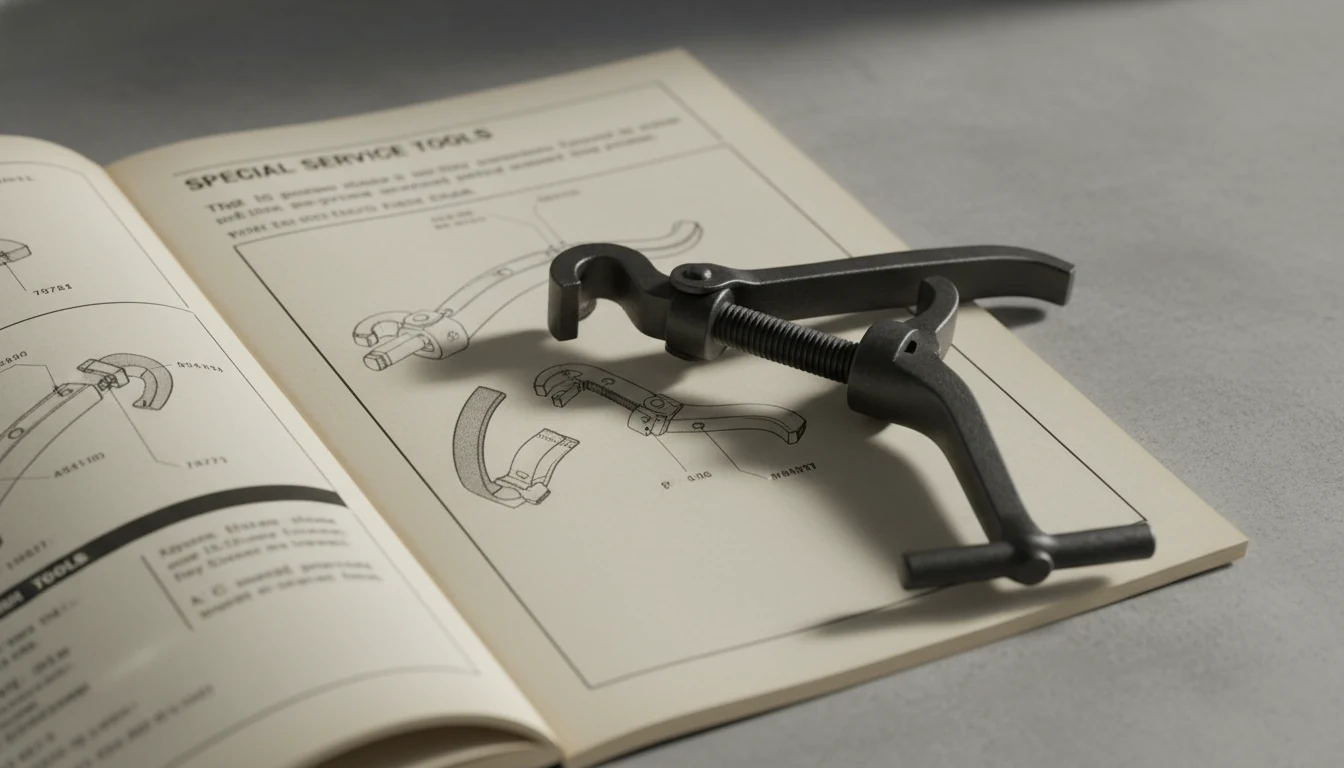
Almost every mechanic skips the first few pages of a factory repair manual. That’s exactly where the most important instructions live.
Manufacturers place critical safety procedures, required special tools, and foundational assumptions in the opening sections of every manual. Ignoring this section means you’re already building on a cracked foundation.
What gets missed when you skip the intro:
- Special Service Tools (SSTs) required for the job that have no safe substitute
- Factory-specified safety protocols, especially for high-voltage hybrid systems
- Fluid pre-fill requirements that must be done before assembly begins
- Conditions that void the repair procedure if not met first
The real cost:
Many failed repairs happen not because the mechanic made an error mid-job, but because a prerequisite listed in the opening section was never completed. A 10-minute read of the preliminary section can prevent a multi-hour redo.
This is one reason why experienced users of Ford Service Manuals consistently point to the introductory content as the most overlooked section in any repair manual.
Misreading or Ignoring Torque Specifications
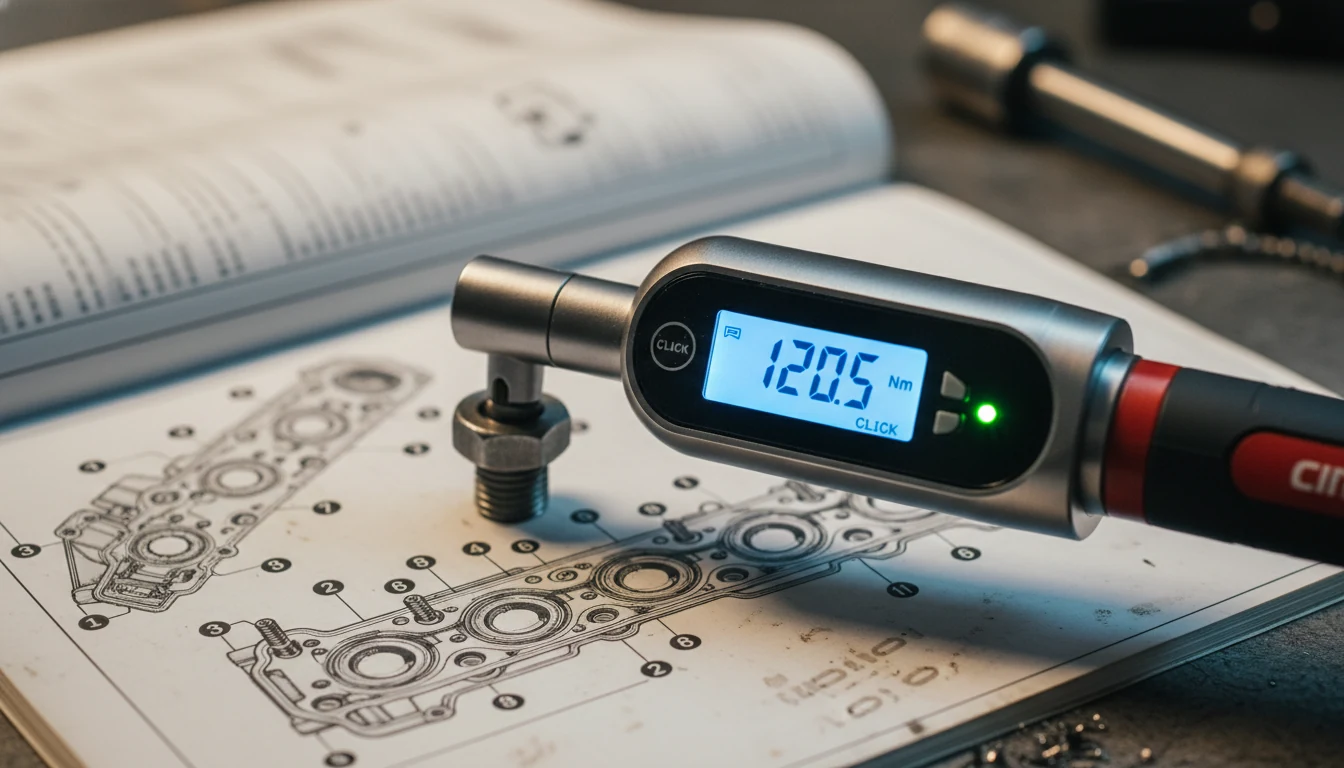
Torque specs are not suggestions. They are engineered values that determine whether a repair holds or fails under real-world stress.
A factory repair manual does not simply say “tighten the bolt.” It provides a precise sequence, often with multiple torque stages, angle-turn steps, and specific tool requirements. Skipping any part of that sequence can cause major failures down the line.
Common torque-related mistakes:
- Using a single torque value when the manual specifies a multi-stage sequence
- Confusing Nm (Newton-meters) with lb · ft (pound-feet), which can double the force applied
- Torquing in the wrong order, especially on cylinder heads and multi-bolt assemblies
- Not re-torquing after heat cycling when the manual specifically calls for it
Real example:
A head bolt procedure in a proper factory service manual might read: torque to 22 lb-ft, then 45 lb-ft, then add 90 degrees, then a final 45 degrees. A generic aftermarket guide often collapses this into a single value, leading to gasket failure within months.
This is why understanding what Ford Service Manuals include and why mechanics use them is so important. The multi-stage torque detail alone justifies using the OEM document over any aftermarket substitute.
Treating Wiring Diagrams as Optional

Electrical repairs have the highest rate of repeat failures among DIY mechanics. The root cause is almost always the same: the wiring diagram was ignored, glanced at, or misread.
Factory repair manuals contain logical circuit maps, not physical representations of the wiring under the hood. A single letter difference in a wire color code can lead to hours of wasted diagnosis.
Mistakes mechanics make with wiring diagrams:
- Assuming the diagram is a physical layout and searching in the wrong location for connectors
- Misreading color abbreviations such as BR (brown) versus BR/W (brown with white tracer)
- Using a diagram from a different trim level that has a different circuit configuration
- Not cross-referencing the connector pinout charts that accompany the main diagram
What to watch for:
The diagram section of a factory repair manual often includes sub-sections for each circuit, connector charts, and diagnostic flow trees. All three need to be read together. Using only the main diagram without the connector charts is one of the most common and avoidable errors in electrical repair work.
Sourcing a Low-Quality or Incomplete Manual

Not all factory repair manuals available online are legitimate. Many are scanned documents with missing pages, low-resolution diagrams, or sections that were never included in the original scan.
This is especially common with PDF versions sold through reseller sites or shared on forums.
Warning signs of a poor-quality manual:
- Pages that reference a diagram listed as “see figure X,” but the figure is missing
- Torque spec tables that are partially cut off or illegible
- Wiring diagrams that appear blurry or are missing reference labels
- Sections that end abruptly without the full procedure being completed
How to source correctly:
- Always use the OEM manufacturer portal or a trusted, verified provider for your specific vehicle
- For Ford vehicles, knowing how to find the right Ford Owner’s Manual for any model year ensures you’re working from a complete, accurate document every time
- Look for manuals that include Technical Service Bulletins (TSBs) alongside the base repair procedures
| Manual Source Type | Reliability | TSB Included | Diagram Quality |
|---|---|---|---|
| OEM Manufacturer Portal | Highest | Yes | Full resolution |
| ALLDATA / Mitchell1 | High | Yes | High resolution |
| Haynes / Chilton Print | Medium | No | Simplified |
| Random PDF download | Low | Rarely | Often degraded |
Not Reading the Full Procedure Before Starting
Reading a repair procedure as you go is one of the oldest and most persistent mistakes in hands-on mechanical work.
A factory repair manual is structured so that later steps often depend on conditions established in earlier ones. Reading line by line in real time means you will frequently miss a prerequisite that should have been done before you even started.
The result of skipping ahead:
- Parts get reassembled before a required inspection step is completed
- Fluids get filled before the system is properly bled or primed
- Fasteners get torqued before adjacent components are positioned correctly
- Steps get missed entirely because they appeared earlier in the procedure and were not yet in view
Best practice:
Read the entire procedure from start to finish before touching anything. Make a checklist of required tools, fluids, and any parts that need to be pre-ordered. This approach is consistently recommended by professional mechanics who rely on Ford workshop and service manuals daily.
For anyone who uses Ford Workshop and Service Manuals on complex jobs, pre-reading the full procedure is standard practice before a single tool leaves the box.
Ignoring Technical Service Bulletins
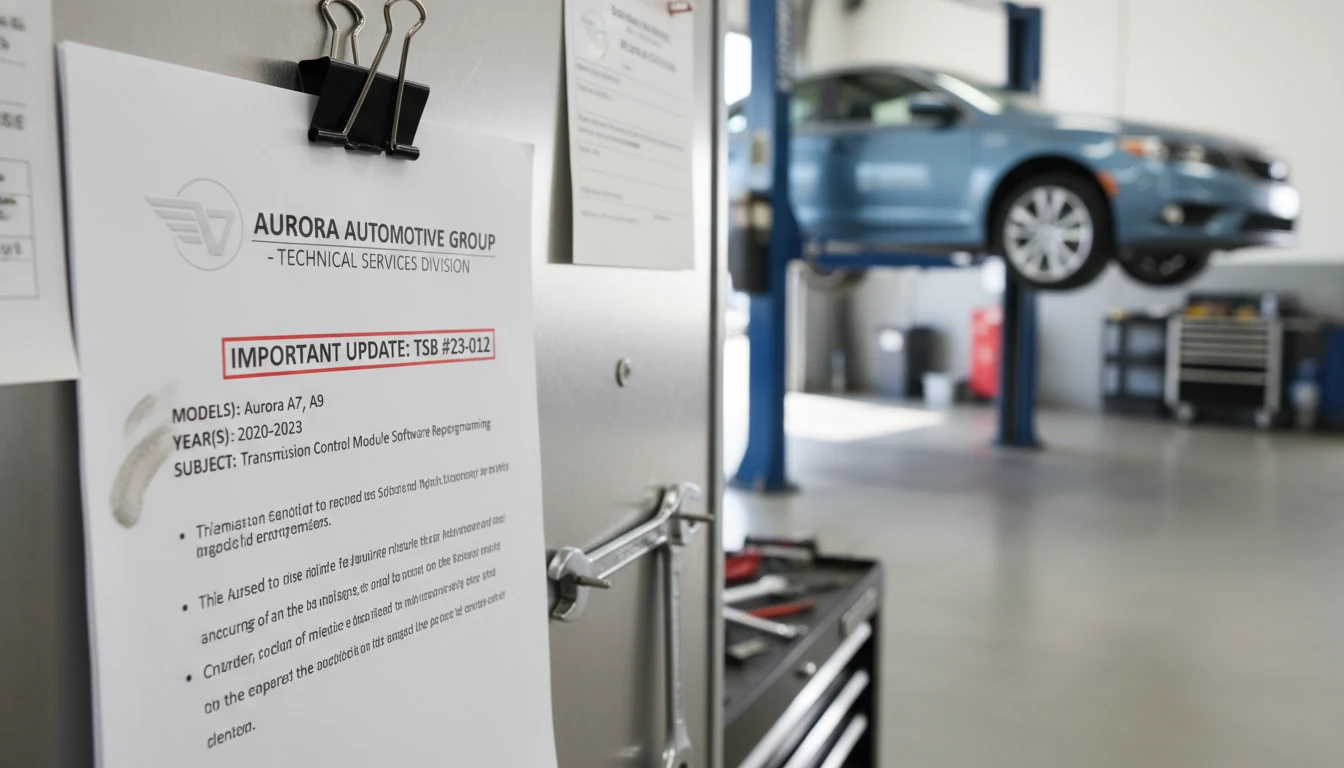
A factory repair manual reflects the state of knowledge at the time it was printed. Vehicles evolve, and manufacturers issue Technical Service Bulletins (TSBs) to update or correct procedures after publication.
Mechanics who skip TSBs often repeat known failures that the manufacturer has already addressed.
What TSBs typically cover:
- Revised torque sequences for known problem areas
- Updated fluid specifications, where the original spec caused premature wear
- Corrected wiring repair procedures where factory diagrams had errors
- Alternative parts or revised clearance specs for updated components
Why is this mistake so costly?
Following an outdated procedure from a base factory repair manual, while a TSB exists that corrects that exact procedure, means you’re engineering a comeback repair. The job will fail again for the exact same reason.
This is particularly critical for DIY mechanics. Understanding why DIY mechanics need factory service manuals also means understanding that the manual is just the starting point. TSBs complete the picture.
Conclusion
Factory repair manuals are only as useful as the attention you bring to them. The mistakes covered here are not rare edge cases. They happen on every type of vehicle, at every skill level, every single day.
The pattern is always the same: someone picks up a repair manual, skips the tedious parts, works from memory on the details, and ends up doing the job twice. Using the correct edition, reading every section fully, respecting the torque specifications, and cross-referencing TSBs is not optional. It’s the actual job.
Treat every factory repair manual as a precision instrument. The difference between a repair that lasts 100,000 miles and one that fails in 6 months often comes down to a single skipped line.
Frequently Asked Questions
Can I use a factory repair manual from a different trim level for the same model year?
Not reliably. Even within the same model year, different trim levels can have different wiring harnesses, different electronic systems, and different component specifications.
A manual written for a base trim may omit entire sections that apply to higher trims, including advanced driver assistance systems and premium audio wiring.
Always confirm the manual specifically covers your trim and option package before relying on it for electrical or system-level repairs.
Using the wrong trim manual for an electrical job is one of the fastest ways to misdiagnose a circuit fault.
Do factory repair manuals cover aftermarket parts or modifications?
No. Factory repair manuals are written exclusively around OEM components and factory configurations. Aftermarket parts, performance modifications, and non-standard wiring are not referenced anywhere in the document.
If your vehicle has been modified, you need to supplement the factory manual with the aftermarket manufacturer’s specifications.
Attempting to follow factory procedures on a modified system can lead to incorrect specs being applied to components that were never designed to meet them.
How often are factory repair manuals updated after release?
The base manual is typically not revised after its initial release for that model year. Updates are issued separately as Technical Service Bulletins, which correct known errors, revise procedures, and update specifications.
This means the manual itself may contain outdated guidance on specific repairs, and TSBs must be reviewed alongside it.
Subscription-based platforms like ALLDATA are continuously updated and flag TSBs directly alongside the relevant repair procedures, a significant advantage over using a printed manual alone.
Is a factory service manual always better than a Haynes or Chilton manual?
For complex repairs, yes. Factory service manuals contain the full, unedited OEM procedures, including multi-stage torque sequences, complete wiring schematics, and detailed diagnostic flowcharts.
Haynes and Chilton manuals simplify procedures for accessibility, which is helpful for basic maintenance but can omit critical details for advanced work.
The gap becomes especially significant in electrical diagnostics, transmission work, and any repair where exact factory specifications determine whether the job succeeds or fails under real operating conditions.
What should I do if the steps in my factory repair manual contradict each other?
Cross-reference the relevant Technical Service Bulletins for that vehicle first, as the contradiction may already be addressed in a published correction.
If no TSB resolves it, check whether the conflict exists between sections written for different sub-models or option packages, since manuals sometimes combine multiple variants into a single document.
If the discrepancy involves a safety-critical specification like a torque value or a clearance measurement, do not proceed until the correct value is confirmed through the manufacturer’s technical support channel or a verified OEM source.