
Mechanics who skip factory service manuals are setting themselves up for costly mistakes on every repair. One wrong torque spec or a misread wiring diagram can turn a straightforward job into a serious problem. The risk is not theoretical it happens to confident DIYers every single day.
Factory service manuals provide the precise, model-specific data that generic guides lack. These manufacturer-approved documents offer the same specifications, schematics, and procedures used by professional technicians to ensure safe, high-quality repairs.
This article breaks down what factory manuals actually contain, why the data matters, and how using the right documentation changes the outcome of every repair.
Why DIY Mechanics Need Factory Service Manuals: What Most Guides Will Never Tell You

Most DIYers grab a generic repair guide and blindly trust it. That approach works until it does not, and the fallout can be severe. Factory service manuals exist because every vehicle has unique specs, systems, and tolerances that no generalized publication can fully capture.
Relying on anything less is a calculated risk that experienced mechanics stopped taking years ago.
Generic Guides Miss the Details That Actually Break Repairs
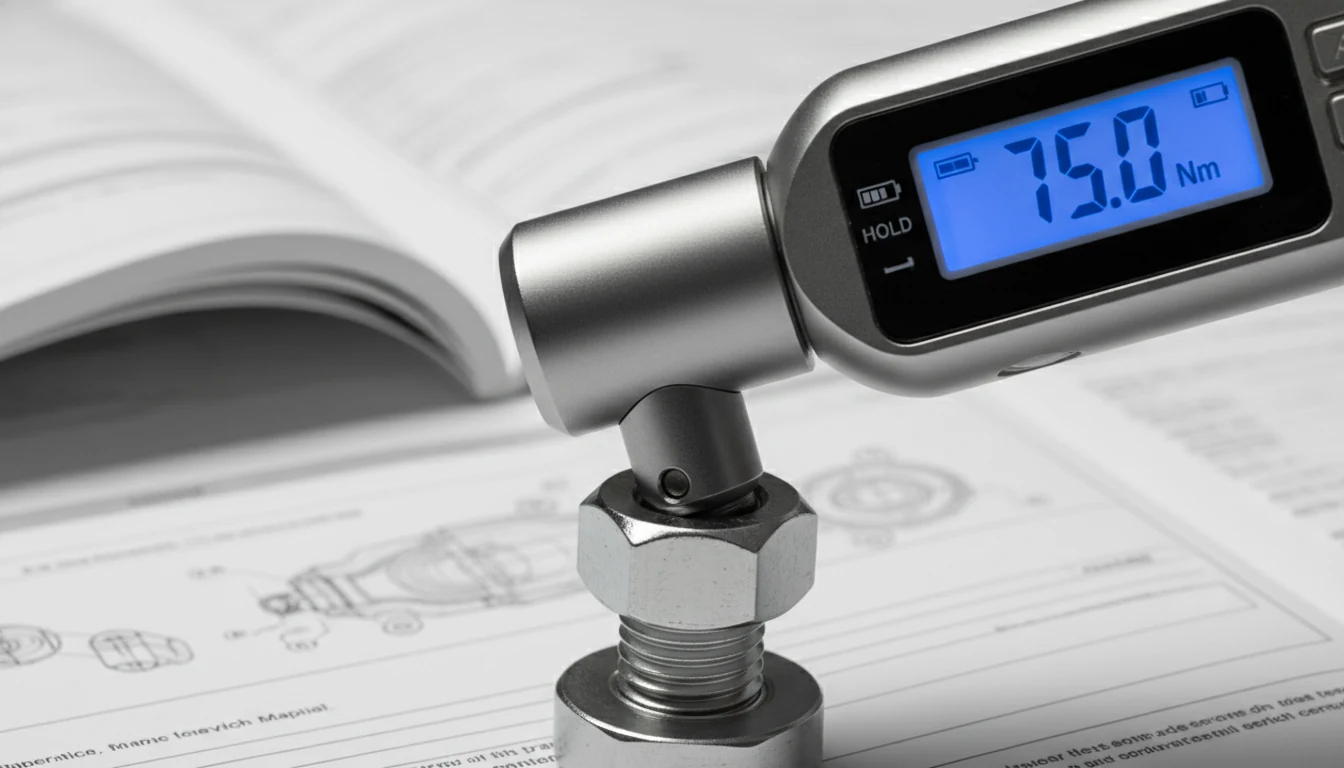
Many DIY mechanics underestimate how specific vehicle data truly needs to be. Generic repair guides cover broad categories but routinely miss critical model-year differences that make or break a job.
Factory manuals are written by the original engineers who designed the vehicle. Every torque value, fluid capacity, and sensor calibration figure comes directly from the source and is verified before the vehicle ever leaves the production line.
- Torque values vary by trim level, engine type, and even production batch
- Wiring diagrams in generic guides are frequently simplified or outdated
- Calibration procedures for sensors and modules require factory-level accuracy
- Fluid specifications differ by year, and the wrong type causes internal damage
- Component locations shift across production runs and regional vehicle variants
A generic guide might get a DIY mechanic 80% of the way through a job. The missing 20% is almost always what causes the repair to fail or creates a new problem that did not exist before.
Factory Manuals Carry the Exact Specs Engineers Designed
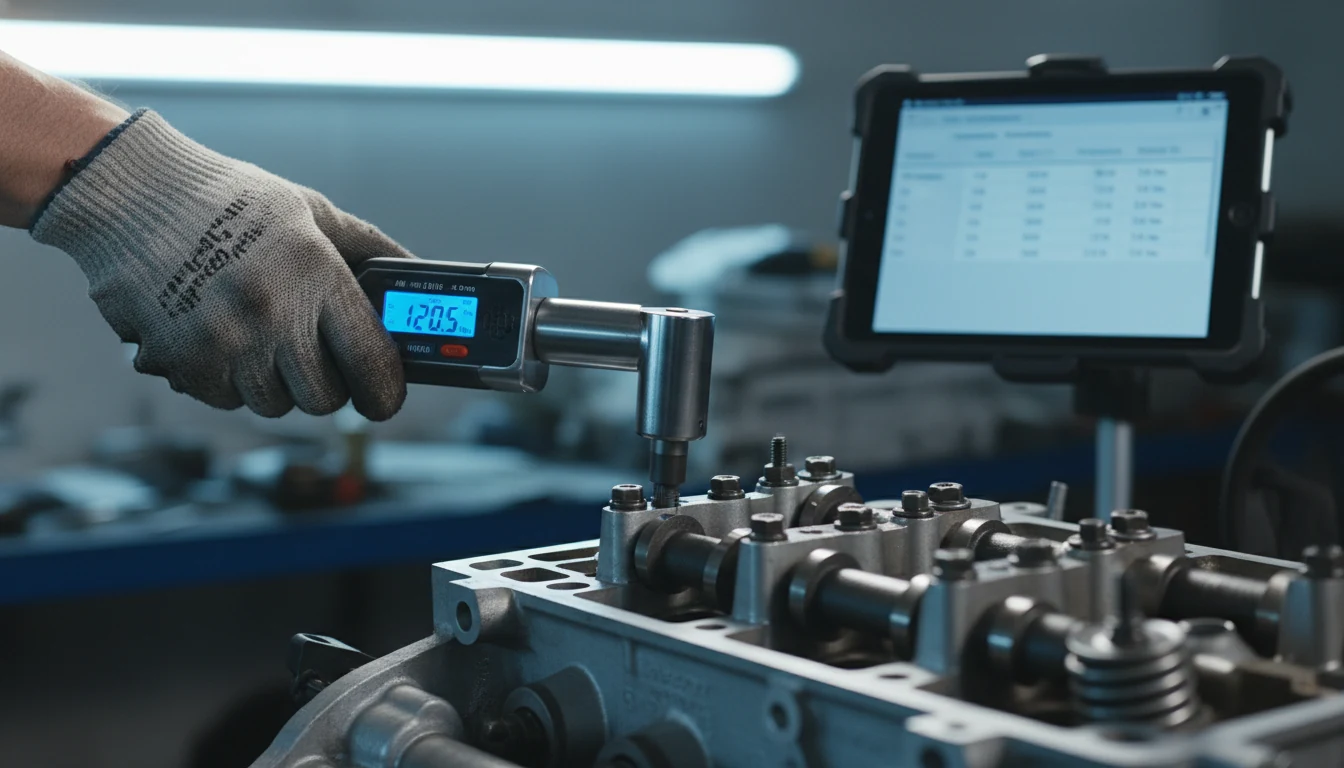
Every bolt, every gap, every adjustment in a vehicle has a factory-defined specification attached to it. Factory service manuals list those numbers in full, with no generalizations or approximations.
Professional mechanics rely on this data because it eliminates all guesswork. A DIY mechanic who works from factory specs performs repairs at the same standard as a trained shop technician with years of experience.
| Data Type | Generic Guide | Factory Service Manual |
|---|---|---|
| Torque Specs | Approximate range | Exact value per component |
| Wiring Diagrams | Simplified overview | Full system schematics |
| Fluid Capacity | General estimate | Precise by model and year |
| Calibration Steps | Often absent | Step-by-step procedure |
| TSBs Included | Rarely referenced | Frequently updated content |
Using the right manual is not a preference it is a quality decision that directly determines how long a repair holds.
The Hidden Cost of Getting a Repair Wrong

Most DIYers calculate the cost of parts but rarely calculate the cost of a failed repair. Getting a job wrong once often means doing it again, and sometimes it means paying a professional to undo the original mistake first.
Factory service manuals significantly reduce that risk because the data inside is verified, model-specific, and complete. One correct repair using factory specs almost always costs far less than two attempts using a generic guide.
- Incorrect torque on cylinder head bolts leads to blown gaskets
- Wrong sensor calibration triggers persistent check engine lights that never clear
- An incorrect fluid type causes transmission or differential wear over time
- Missed reassembly steps result in noise, vibration, or premature component failure
- Skipping Technical Service Bulletin updates causes the same fault to repeat
The hidden cost of a bad repair is consistently higher than the cost of sourcing the right manual. Most experienced mechanics learned this lesson early and permanently adjusted their process.
How Ford-Specific Manuals Set the Standard for Accuracy

Ford vehicles are among the most commonly serviced by DIY mechanics across North America. The brand’s wide production volume makes accurate documentation especially critical, since small spec differences between model years are common.
For anyone working on Ford platforms, understanding what Ford Workshop and Service Manuals actually contain shows what model-specific coverage looks like at the factory level. It also helps mechanics decide which type of documentation best fits the job at hand.
Many Ford owners benefit from learning what Ford Service Manuals include and why mechanics use them before starting any repair. Knowing the manual’s structure upfront helps a DIY mechanic work through it faster and extract the right data without wasting time.
Finding the Right Manual for Your Exact Vehicle

Not every factory service manual covers every model year. Manuals are edition-specific, which means a 2018 edition will not fully or accurately cover a 2021 variant of the same vehicle. Using the wrong version is a common and avoidable mistake.
The edition a DIY mechanic uses must match the exact year, engine configuration, and trim level of the vehicle in question. Getting this wrong means working from inaccurate data from the very first step.
For Ford vehicles, a reliable starting point for finding the right Ford Owner’s Manual for any model year is a resource that helps you find the right one. Confirming the correct edition early prevents cascading errors throughout the repair.
For repair-level depth, a dedicated Ford workshop or repair manual goes far beyond owner documentation. It includes full disassembly sequences, special tool requirements, and test procedures that no owner-facing publication will ever include.
When to Open the Manual Before You Touch a Single Bolt
Experienced mechanics develop one habit early: read the full procedure before starting the job. Factory service manuals include pre-repair checks, special tool lists, and safety warnings that save significant time once the work begins.
Opening the manual first prevents the most common DIY mistake, which is starting a job before understanding its full scope. Many repairs contain hidden steps that only appear mid-procedure and require preparation that cannot be done after disassembly.
- Read the entire procedure from start to finish before removing any component
- Check the special tool section to avoid substitutions that cause damage
- Review any related Technical Service Bulletins before touching the system
- Note all precautions listed for the specific system being worked on
- Verify fluid types, thread sizes, and gap specs before ordering any parts
This single habit separates a mechanic who completes a repair correctly from one who revisits the same problem. Factory documentation is the foundation that enables that level of confidence.
Conclusion
Factory service manuals are not optional for DIY mechanics who want repairs done right the first time. They carry the exact specifications that engineers designed the vehicle around, and no aftermarket publication comes close to that level of completeness.
The difference between a repair that holds for years and one that fails in weeks often comes down to one thing the quality of the source documentation used.
Use factory documentation, match it to the correct model year, and treat every step in the service manual as non-negotiable guidance, not a suggestion.
Frequently Asked Questions
Are factory service manuals the same as third-party repair manuals?
Factory service manuals are produced by the original vehicle manufacturer and reflect the exact specifications used during production. Third-party manuals from publishers like Haynes or Chilton are written by independent authors, based on general research and field observation.
While third-party manuals are useful for basic tasks, they frequently simplify or omit critical data. Factory manuals include complete wiring schematics, calibration procedures, and Technical Service Bulletins that third-party publications rarely carry in full.
For any repair beyond routine maintenance, factory documentation is the more reliable and complete resource for any DIY mechanic committed to accuracy.
Do DIY mechanics really need factory manuals for basic repairs?
For genuinely basic tasks, a factory manual may feel excessive at first. But even straightforward jobs like brake pad replacement or spark plug changes have model-specific torque values and procedures that vary by year and trim level.
Using the wrong torque on a brake caliper bolt, for example, can lead to brake failure under load. Factory service manuals ensure that even basic repairs follow the manufacturer’s intended procedure.
The investment in the correct documentation pays for itself by preventing a single avoidable mistake that would otherwise cost significantly more to correct.
Where can a DIY mechanic get a factory service manual?
Factory service manuals are available through several channels, depending on budget and preference. Some manufacturers offer online subscription portals with time-limited access to full documentation.
Physical copies are available through dealerships, specialty automotive document suppliers, and used booksellers. Digital PDF versions are also widely available through trusted automotive documentation platforms.
For Ford vehicles specifically, model-specific manuals covering most production years are accessible through dedicated Ford documentation resources.
Always verify that the edition matches your vehicle’s exact year, trim level, and engine configuration before purchasing or downloading.
Can a factory service manual help with electrical troubleshooting?
Electrical troubleshooting is the single area where factory service manuals provide an advantage that no other resource can match. They include complete circuit diagrams, connector pin-out maps, and component location charts for every electrical system on the vehicle.
Generic guides consistently simplify these diagrams or omit entire subsystems. When tracing a fault code or diagnosing a failing module, factory wiring data is not optional it is essential.
Without the correct schematic, a DIY mechanic risks misidentifying the fault, replacing the wrong component, or introducing a new fault by probing the incorrect circuit terminal.
How often are factory service manuals updated?
Factory service manuals are typically published per model year, with periodic revisions issued through Technical Service Bulletins as manufacturers identify production issues or develop improved repair procedures.
Some manufacturers release mid-year supplement editions when significant platform changes occur. Online factory service portals update continuously and often reflect TSB revisions in near real time.
A printed manual may not include the latest bulletins, so cross-referencing with an official online portal is recommended for newer vehicles. For older models, the original edition combined with a published TSB index provides complete and reliable coverage.